Winter & Spring 2026 | Research Presentations & Conference Highlights


Winter and Spring 2026 turned into the busiest stretch of graduate school I’ve experienced so far. Between local symposiums, national conferences, and university research competitions, I had the opportunity to present my work on Gravitational-Wave (GW) astronomy to a wide range of audiences—from fellow students and faculty to researchers working across GW astrophysics and graduate colleagues.
Over the course of the semester, I presented research on waveform systematics in next-generation GW detectors, early-warning alerts for electromagnetic follow-up observations, and science communication through computational education initiatives. Each event offered a different perspective on the broader GW community and highlighted the collaborative nature of modern astrophysics.
Here’s a look back at a semester spent sharing research, learning from colleagues, and exploring some incredible scientific meetings.
Gravitational Wave Physics and Astronomy Workshop 2025 (GWPAW) at Georgia Tech
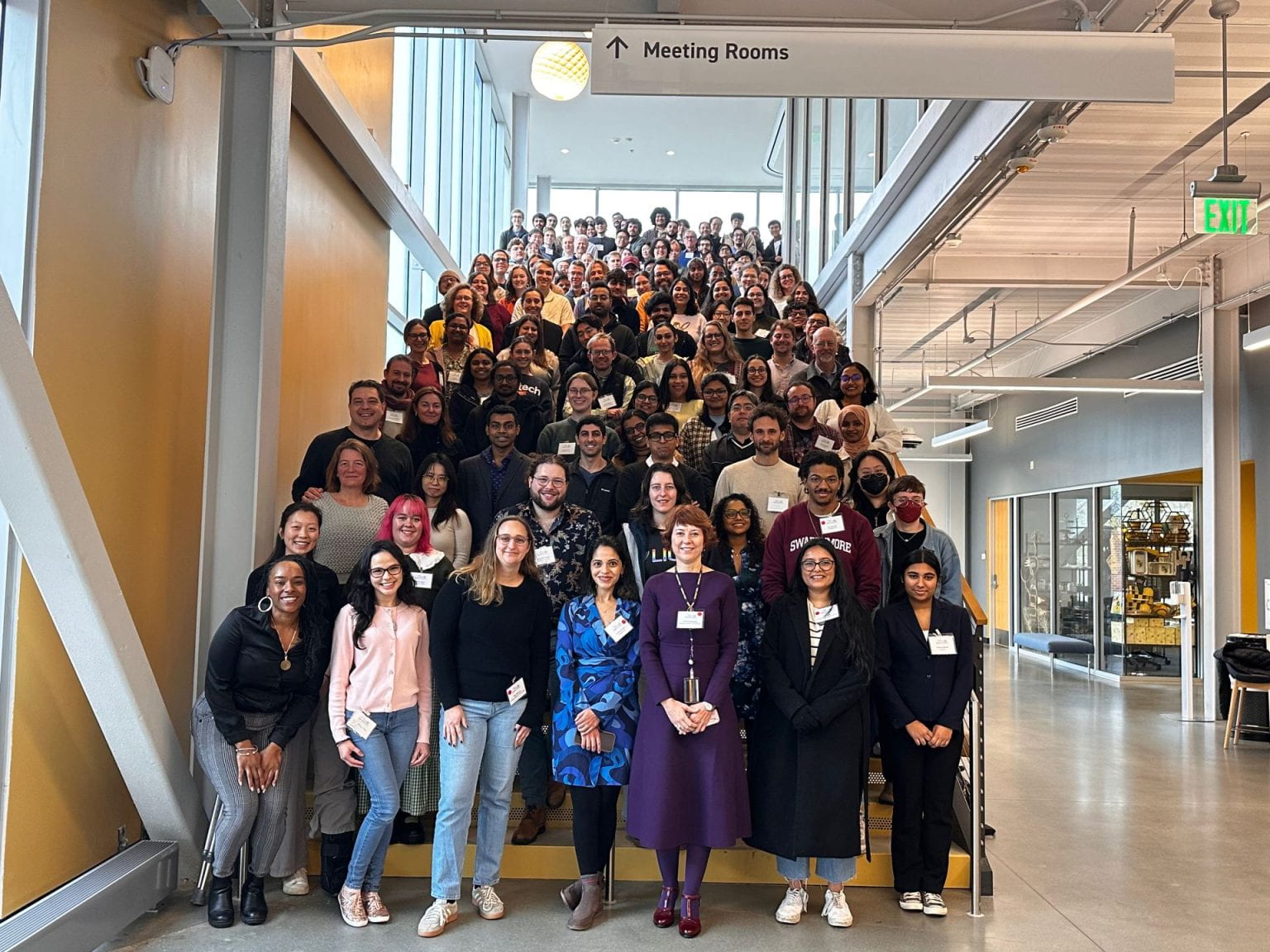
My presentation focused on evaluating waveform accuracy for next-generation GW observatories such as Cosmic Explorer and the Einstein Telescope. As detector sensitivities improve, waveform modeling errors that are currently negligible may become significant sources of systematic uncertainty. I presented recent comparisons between state-of-the-art waveform models and discussed how these differences could influence parameter estimation for future detections.
Beyond the scientific program, GWPAW provided an excellent opportunity to connect with researchers across the GW community. The workshop’s focus on GWs fostered meaningful discussions about detector development, waveform modeling, and the challenges that lie ahead as the field prepares for the next-generation of observatories.
American Physical Society (APS) Global Physics Summit 2026
The APS Global Physics Summit was a particular highlight of the semester because I had the opportunity to present two very different aspects of my work.
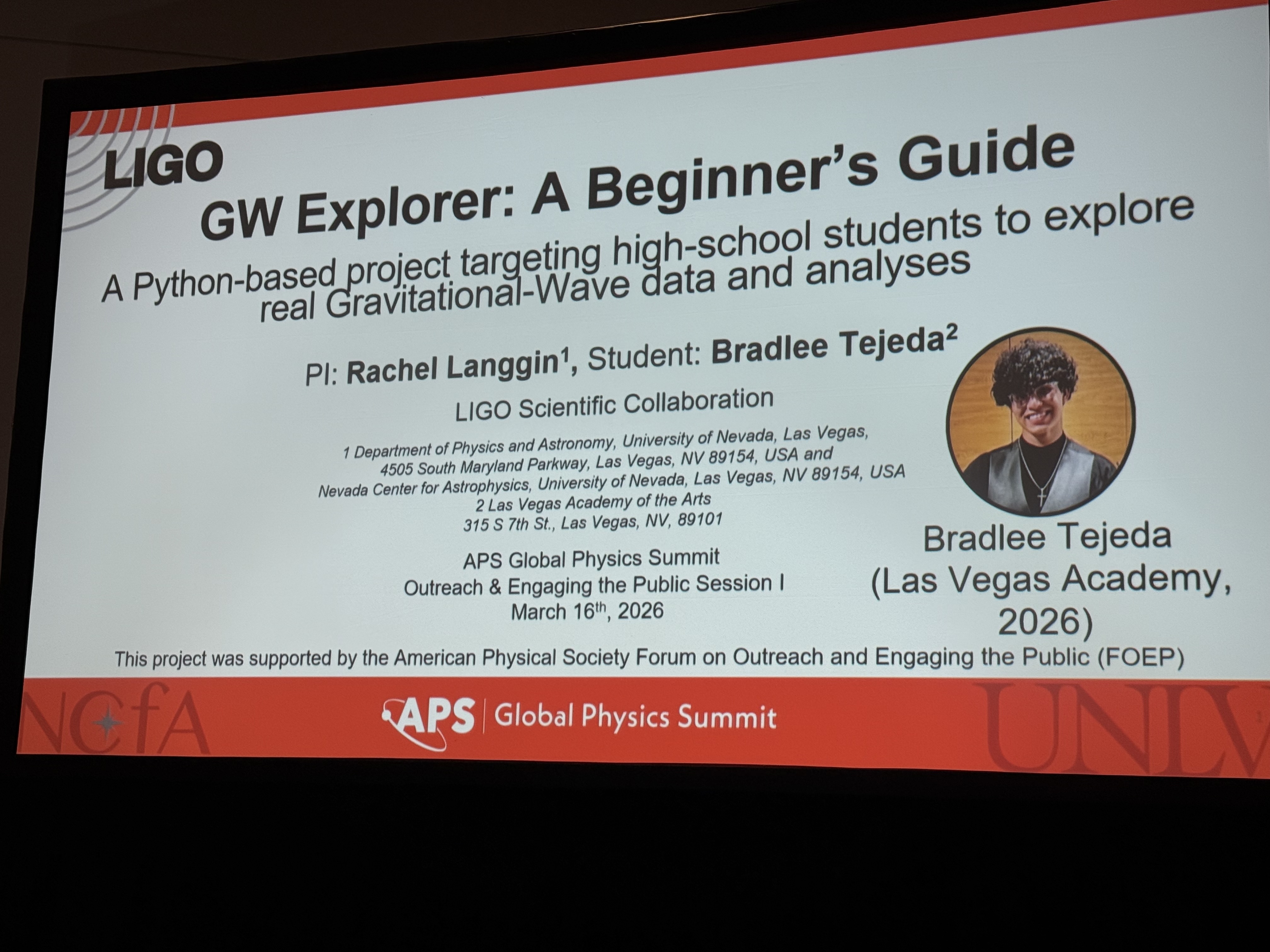
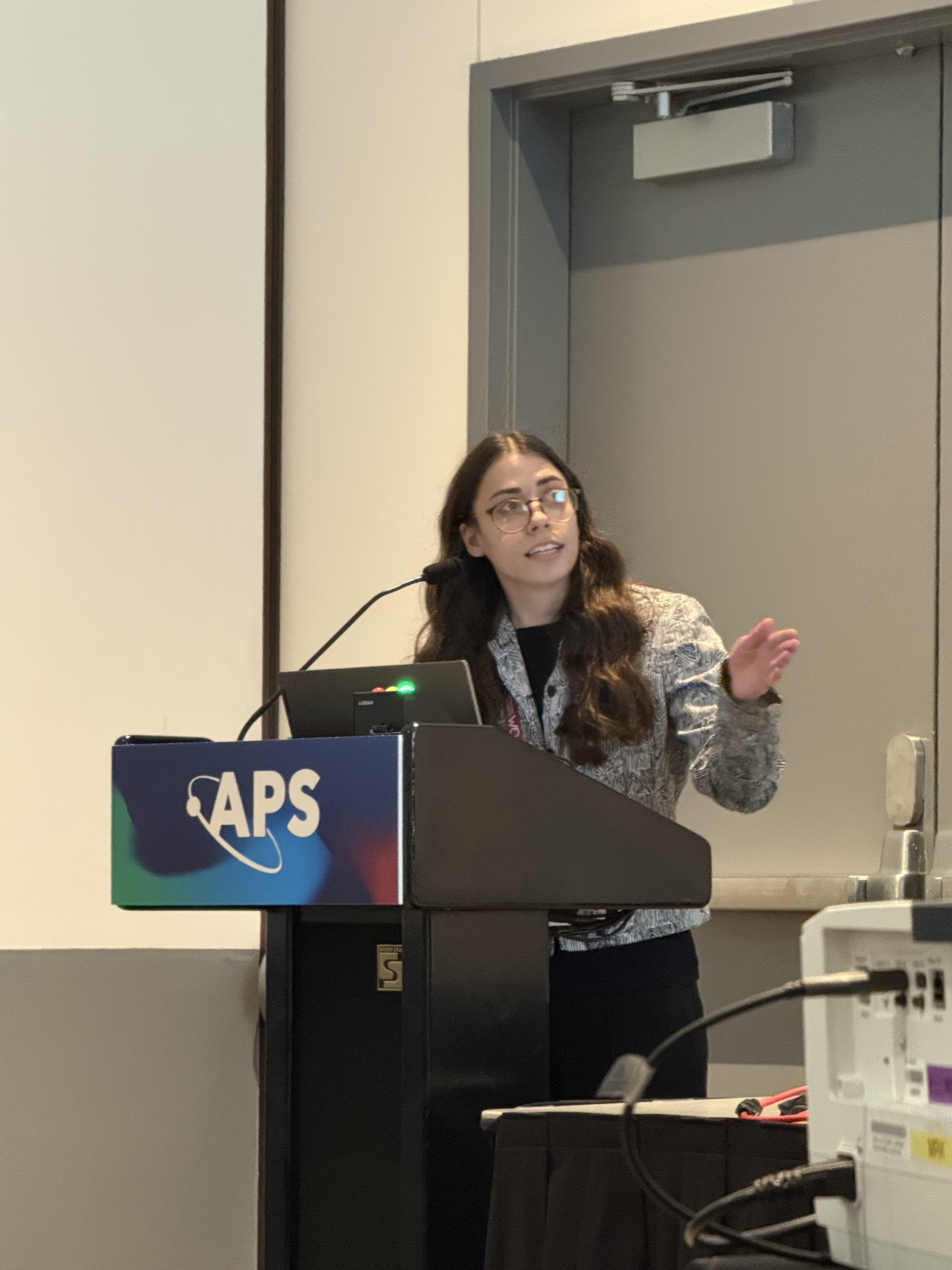
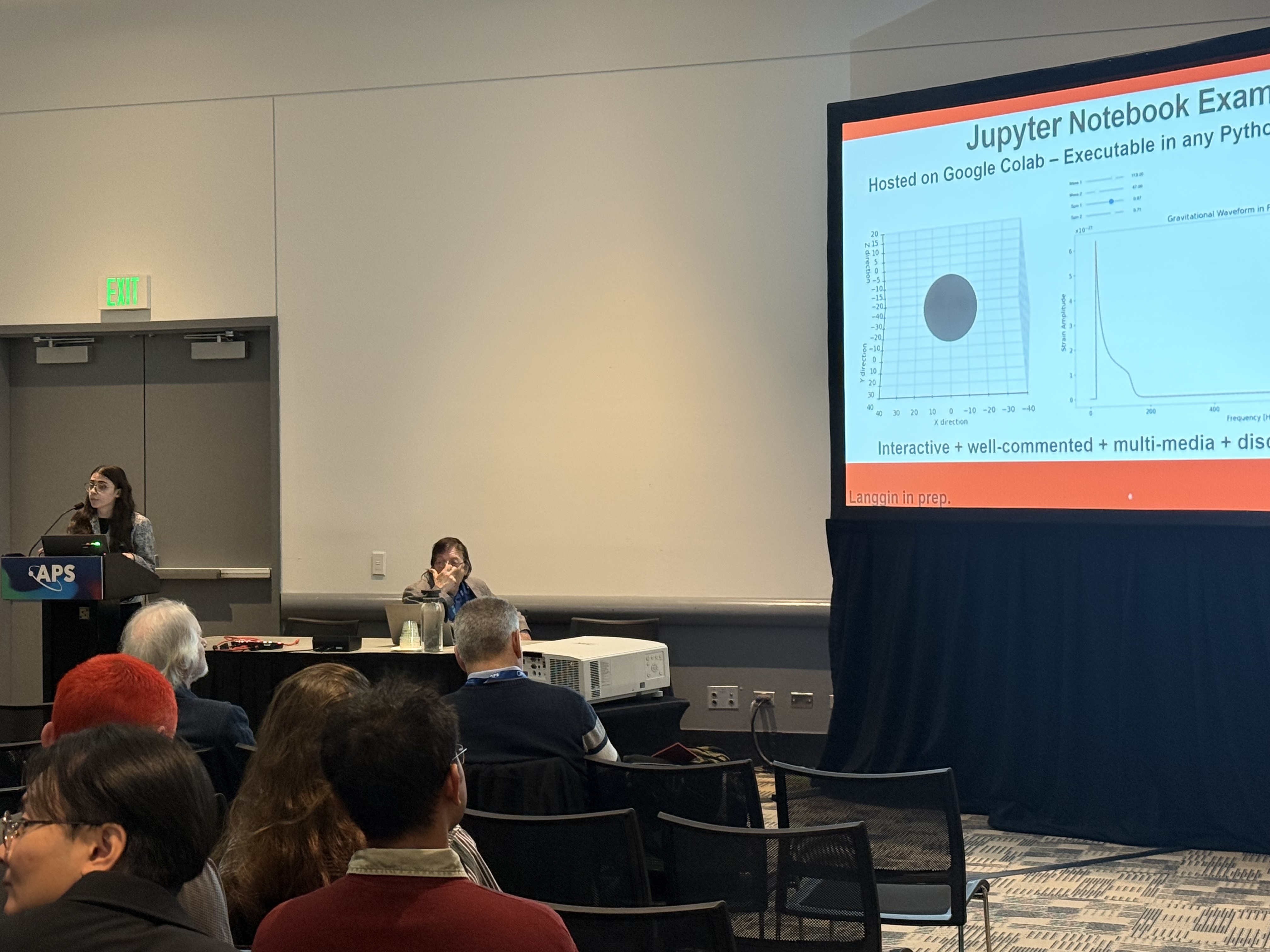
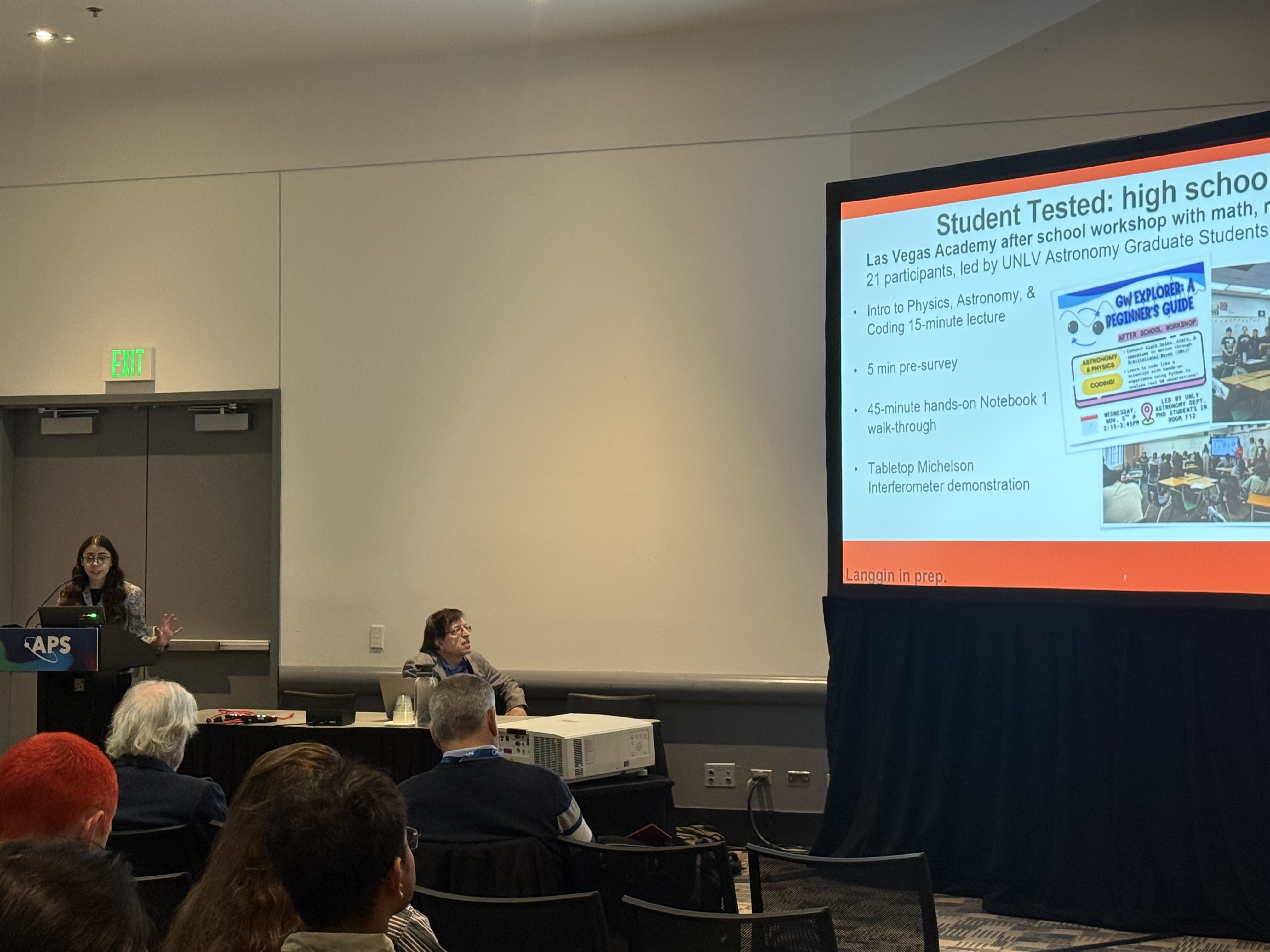
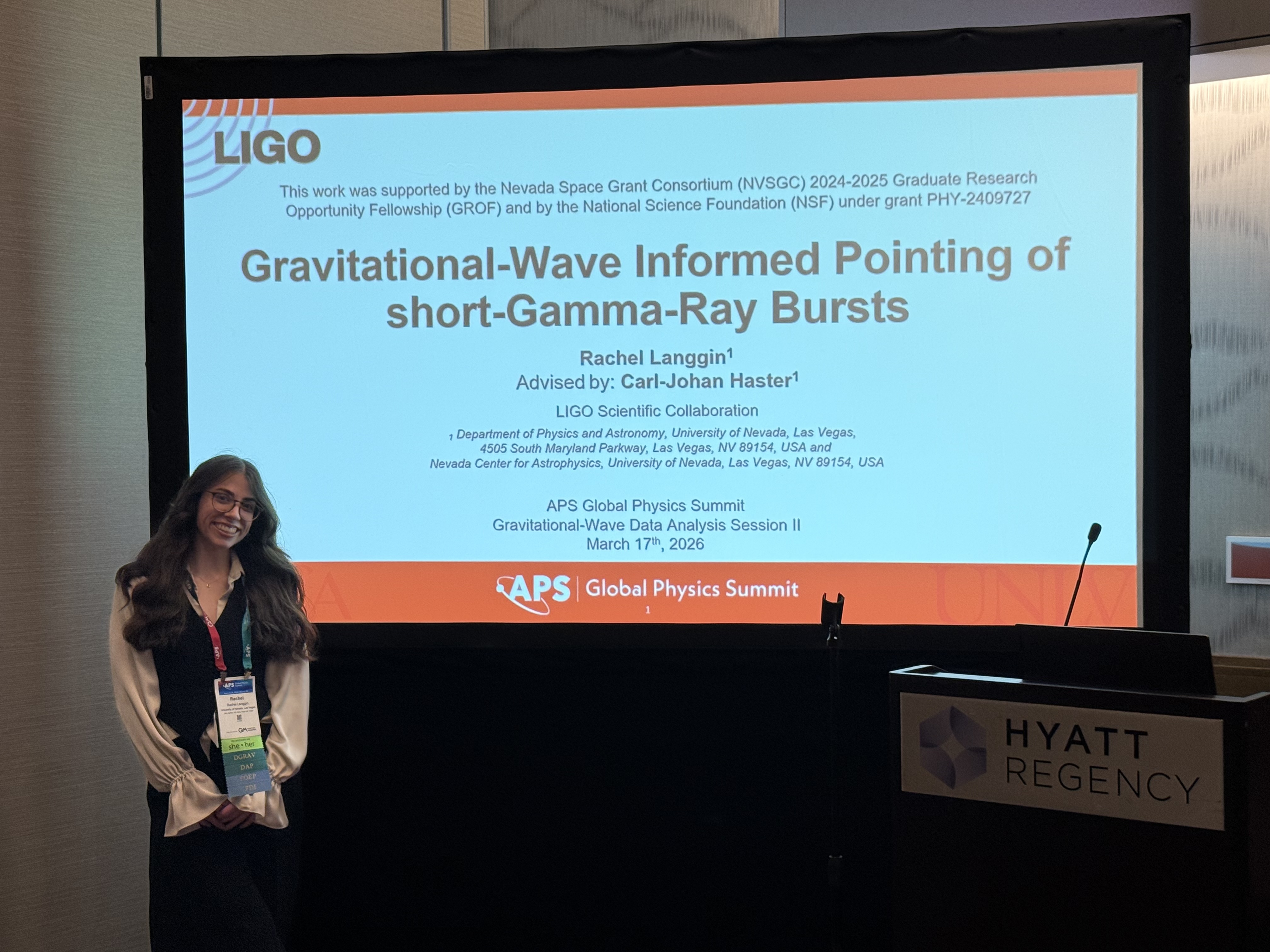
My first presentation was delivered through the Forum on Outreach and Engaging the Public (FOEP), where I shared GW Explorer: A Beginner’s Guide, a computational outreach curriculum designed to introduce high school students to GW astronomy through interactive Python notebooks. The project combines foundational physics concepts with hands-on data analysis activities, giving students an opportunity to engage directly with real GW science. Presenting this work to a community focused on physics outreach and education sparked valuable conversations about expanding access to computational astrophysics education.
Later in the conference, I presented research from my Early Warning project, which investigates how GW signals can be identified before merger to provide advance notice for electromagnetic observatories. I demonstrated how early-warning signals have the potential to improve coordinated multi-messenger observations by giving telescopes additional time to prepare for transient events.
Discussing both projects at APS provided broader audience perspectives and generated feedback that informed ongoing progress of these works.
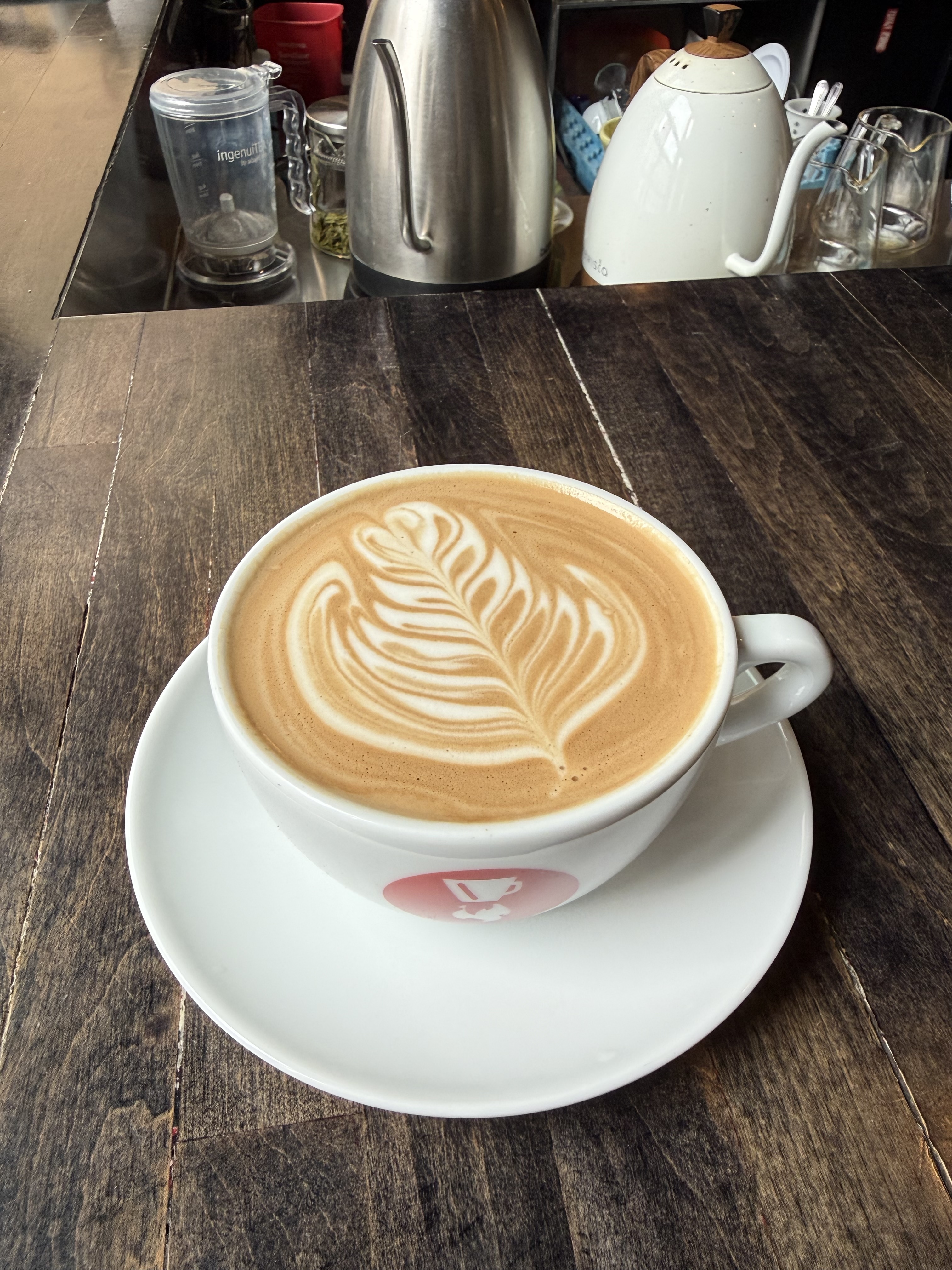
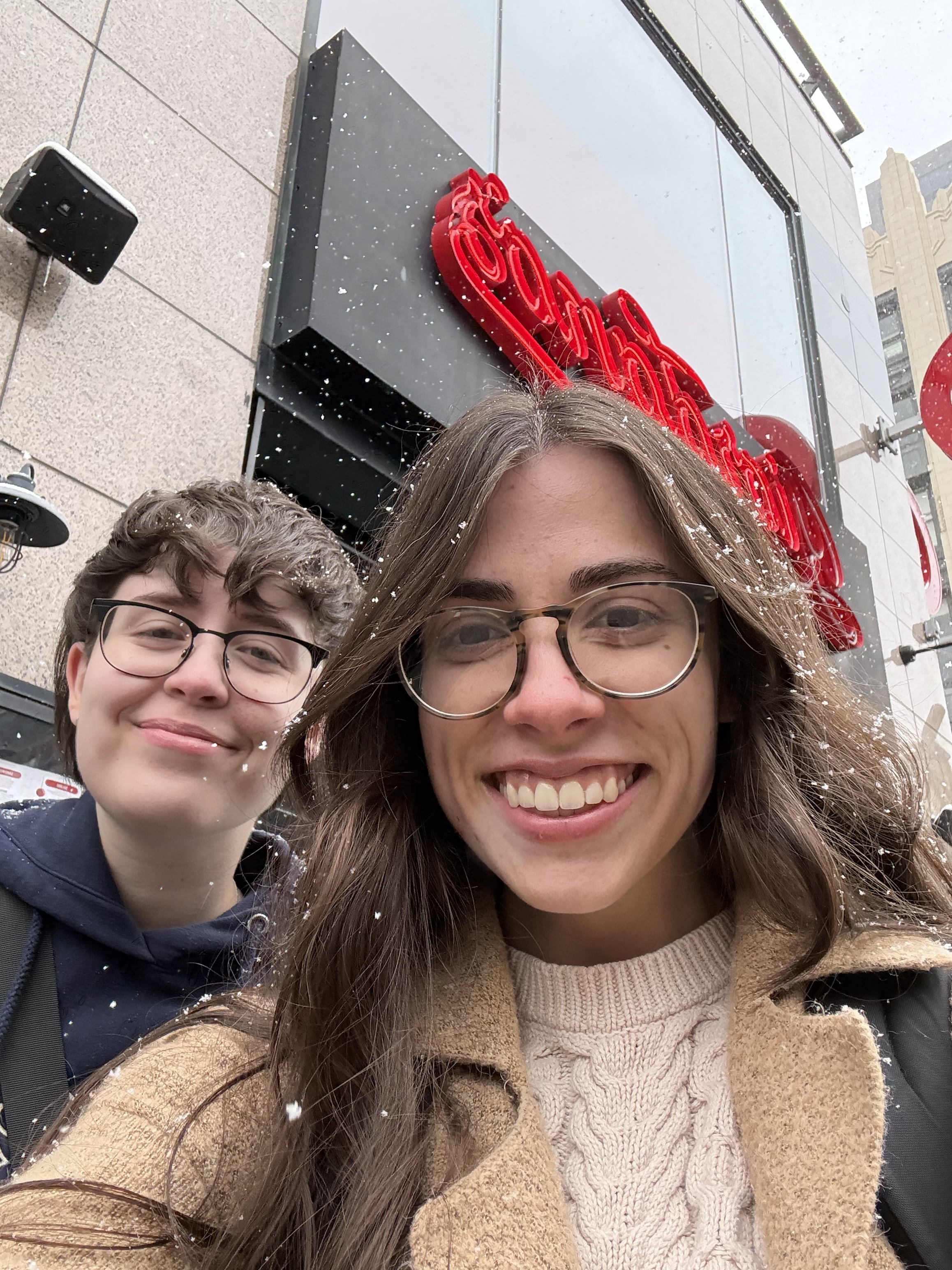
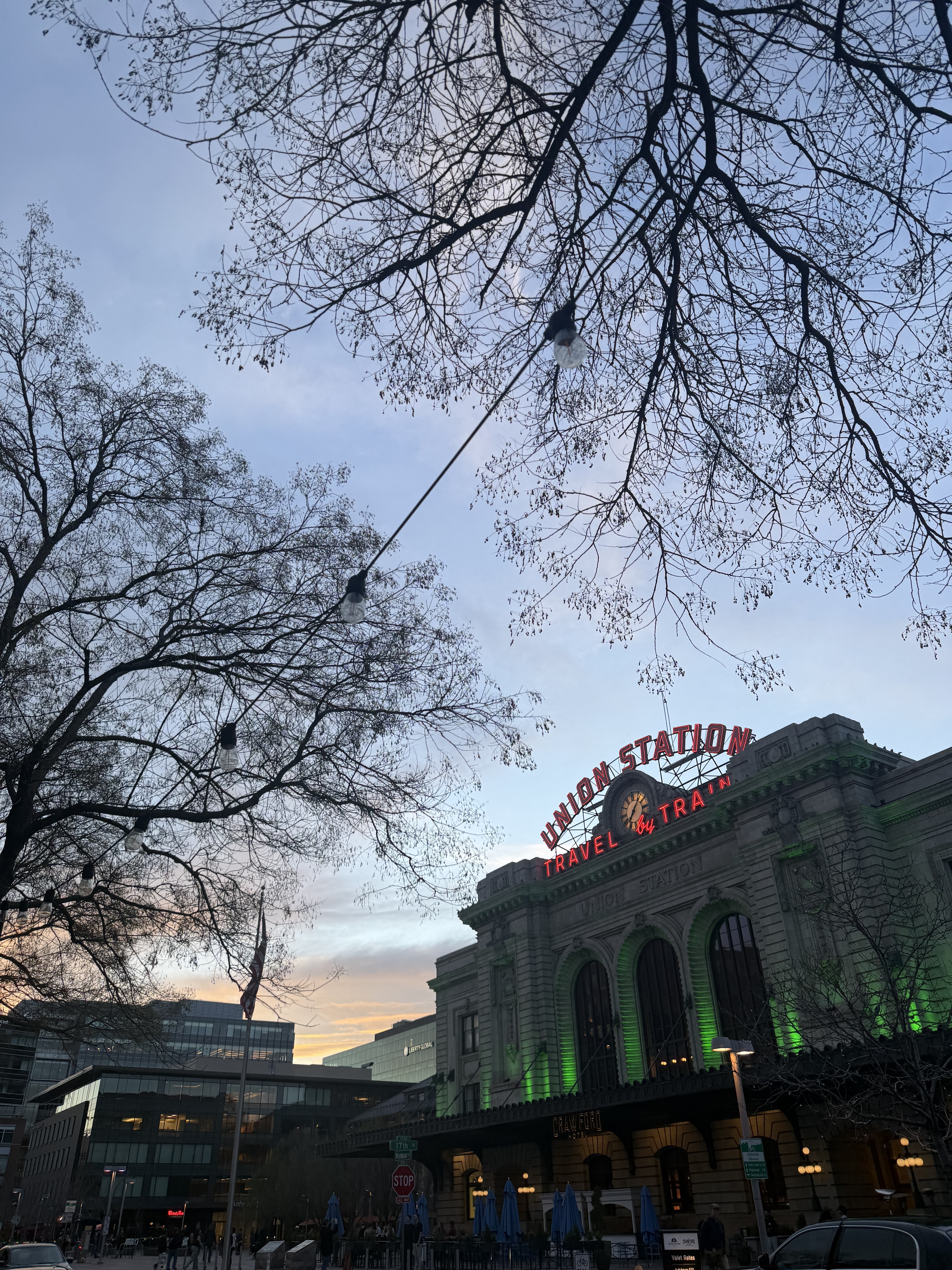
Nevada Center for Astrophysics (NCfA) Symposium 2026
The Nevada Center for Astrophysics Symposium provided a chance to share my research closer to home while engaging with the growing astrophysics community across Nevada.


The symposium featured presentations from faculty, students, and collaborators working on topics ranging from stellar astrophysics and cosmology to GW astronomy and multi-messenger science. These regional meetings often lead to some of the most productive discussions because they bring together researchers with diverse expertise who are building long-term collaborations.
UNLV Annual Graduate & Professional Student Research Forum 2026
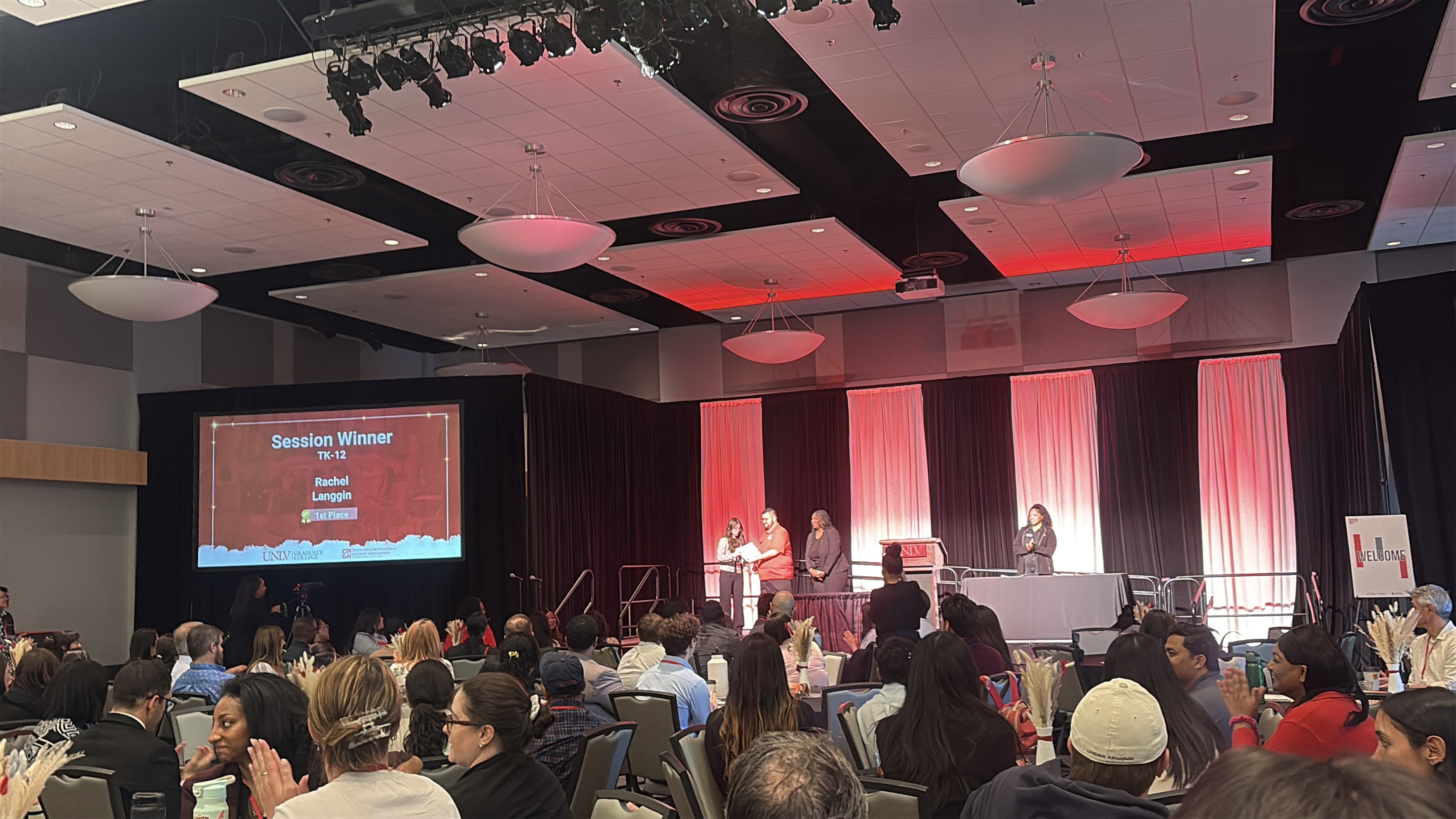
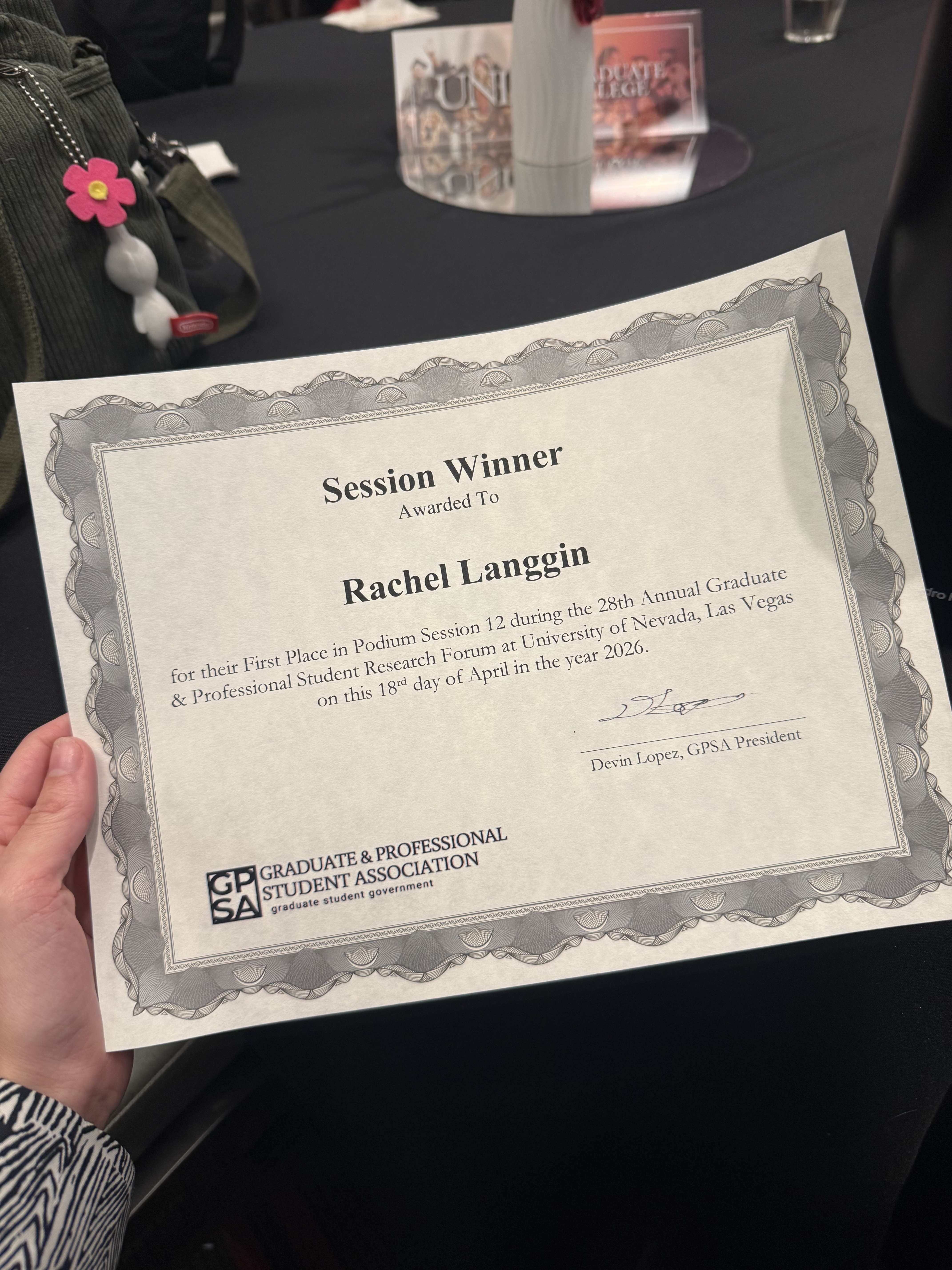
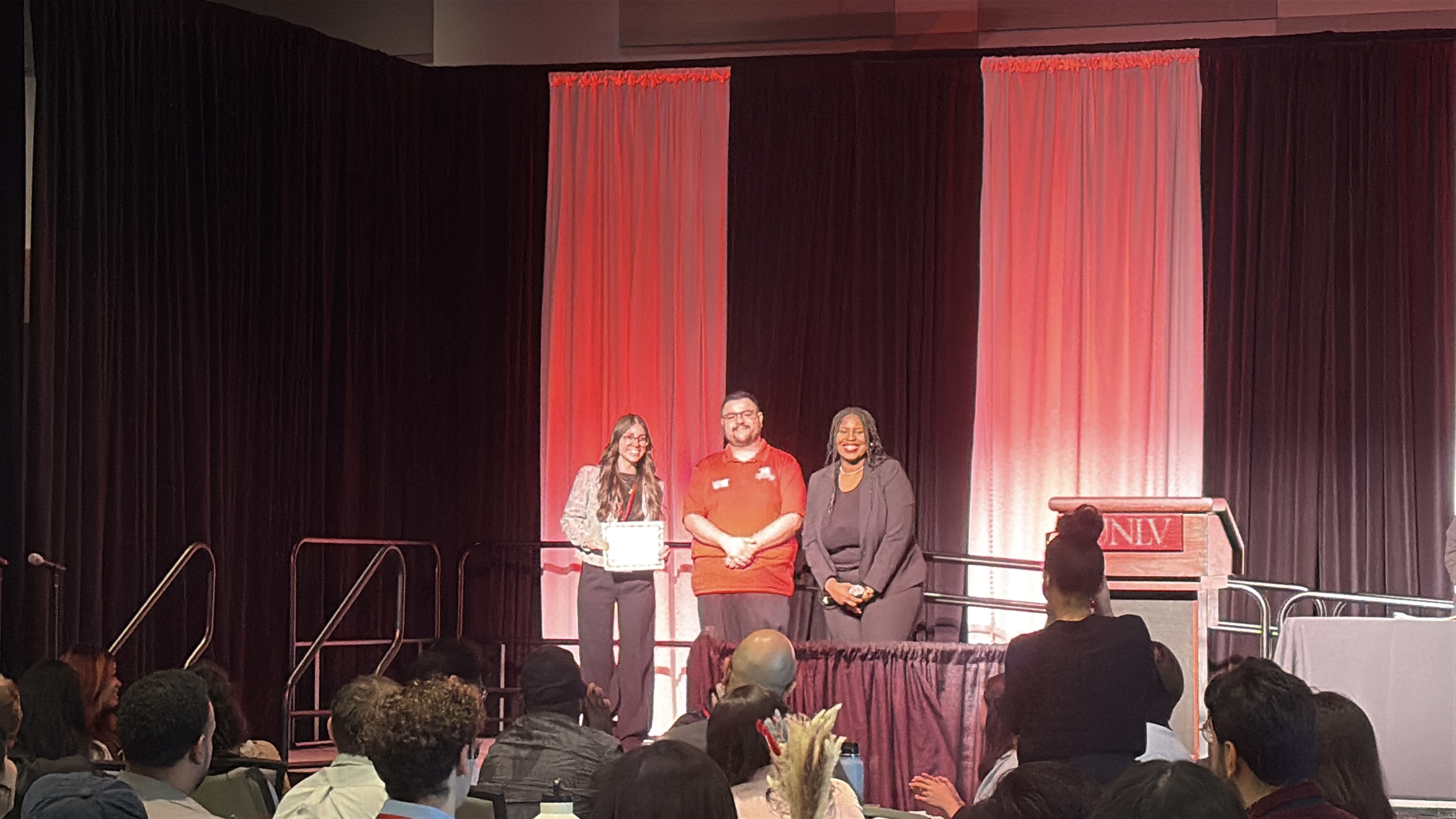
The semester concluded with the UNLV Annual Graduate & Professional Student Research Forum, a university-wide showcase of graduate scholarship and creative activity. I presented a podium talk on my research investigating the use of early-warning GW signals to support electromagnetic follow-up observations.
I was honored to receive first place in my presentation session. The recognition was especially meaningful because the forum brings together graduate researchers from a wide range of disciplines, requiring presenters to communicate specialized research to a broader academic audience. The experience reinforced the importance of scientific communication and provided a rewarding conclusion to an exceptionally busy semester of conferences.
Across GWPAW, APS, NCfA, and the UNLV research forum, this semester I presented work ranging from waveform studies and early-warning GW signals to outreach through GW Explorer. These opportunities were supported in part by travel funding, including APS FOEP support and GPSA support, which helped make this set of presentations possible.
Want to learn more?
Check out some more posts you might like to read next:
Subscribe to be notified of future articles: