LHO Fellows Program – Weeks 1 & 2
Settling In at LIGO Hanford Observatory
My first two weeks in the fellows program at LHO have already flown by! Between orientation, meeting other fellows, students and scientists, beginning my research project, exploring the observatory, and enjoying the beautiful Washington scenery, every day has brought something new. I’m really excited to be here and to document what I learn over the next six months.
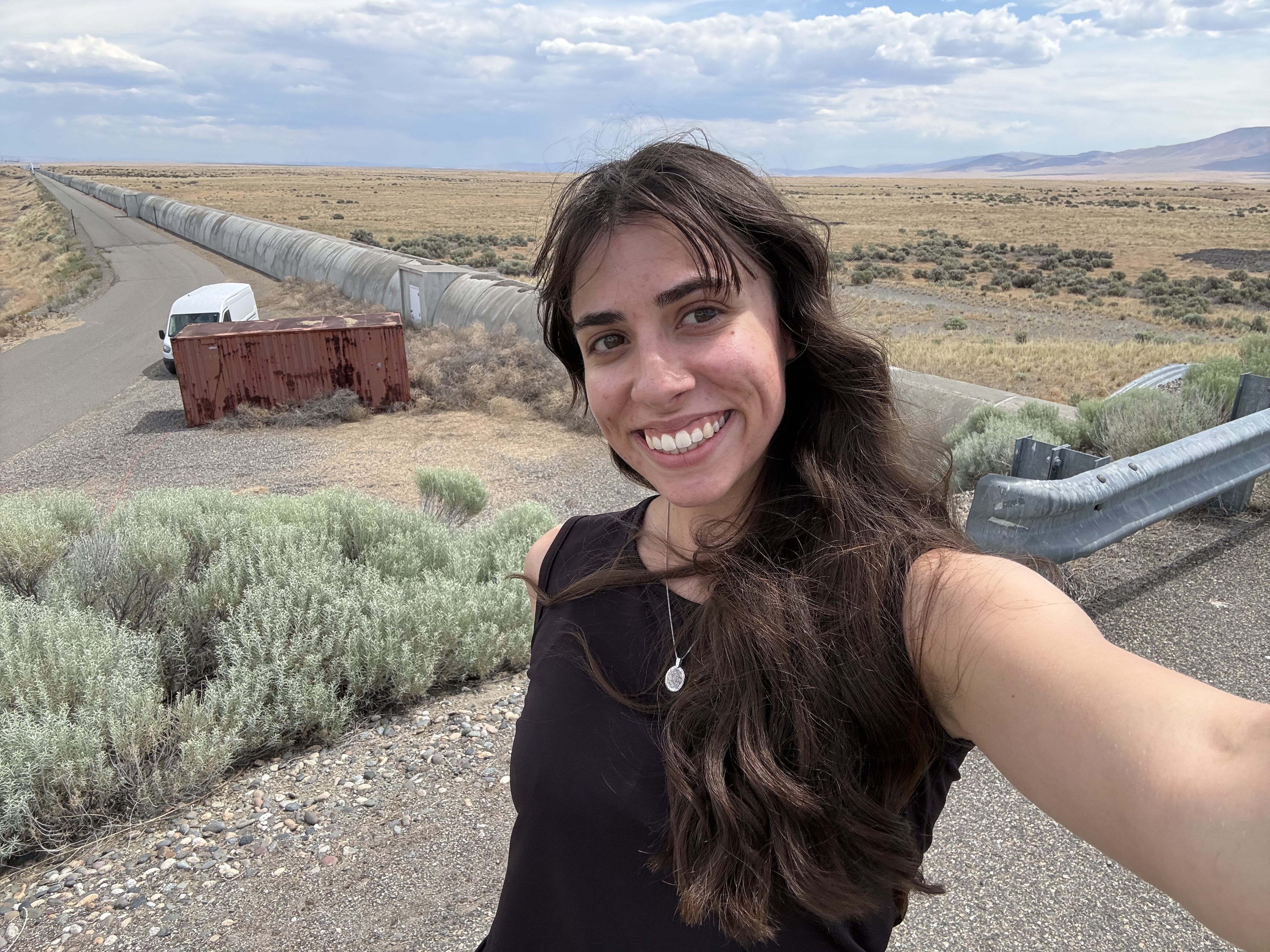
During my first week, I had the opportunity to join the Detector Characterization (DetChar) Working Group while they were visiting the observatory and tag along on several of their tours.
Around LIGO & Inside the Corner Station
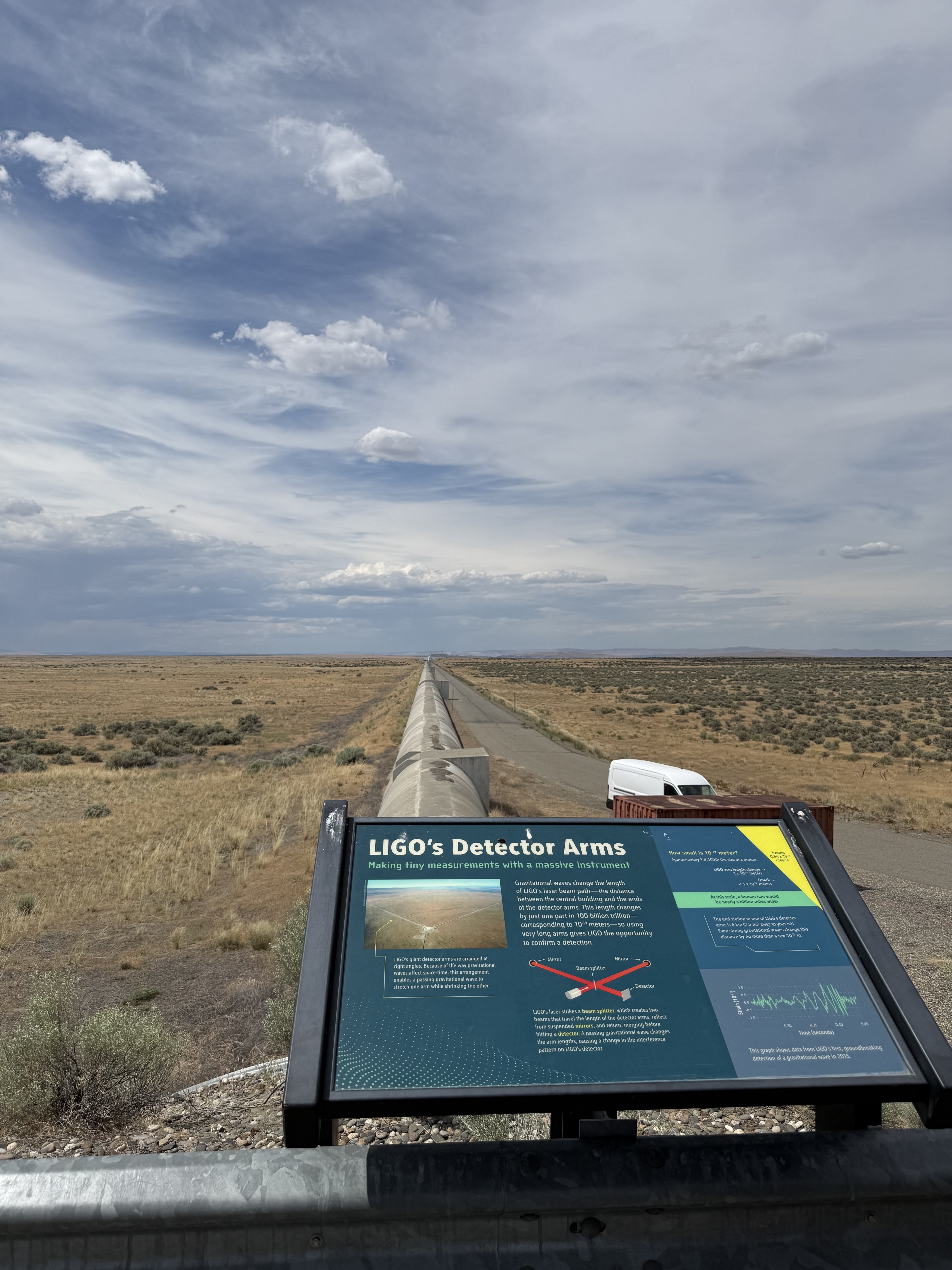
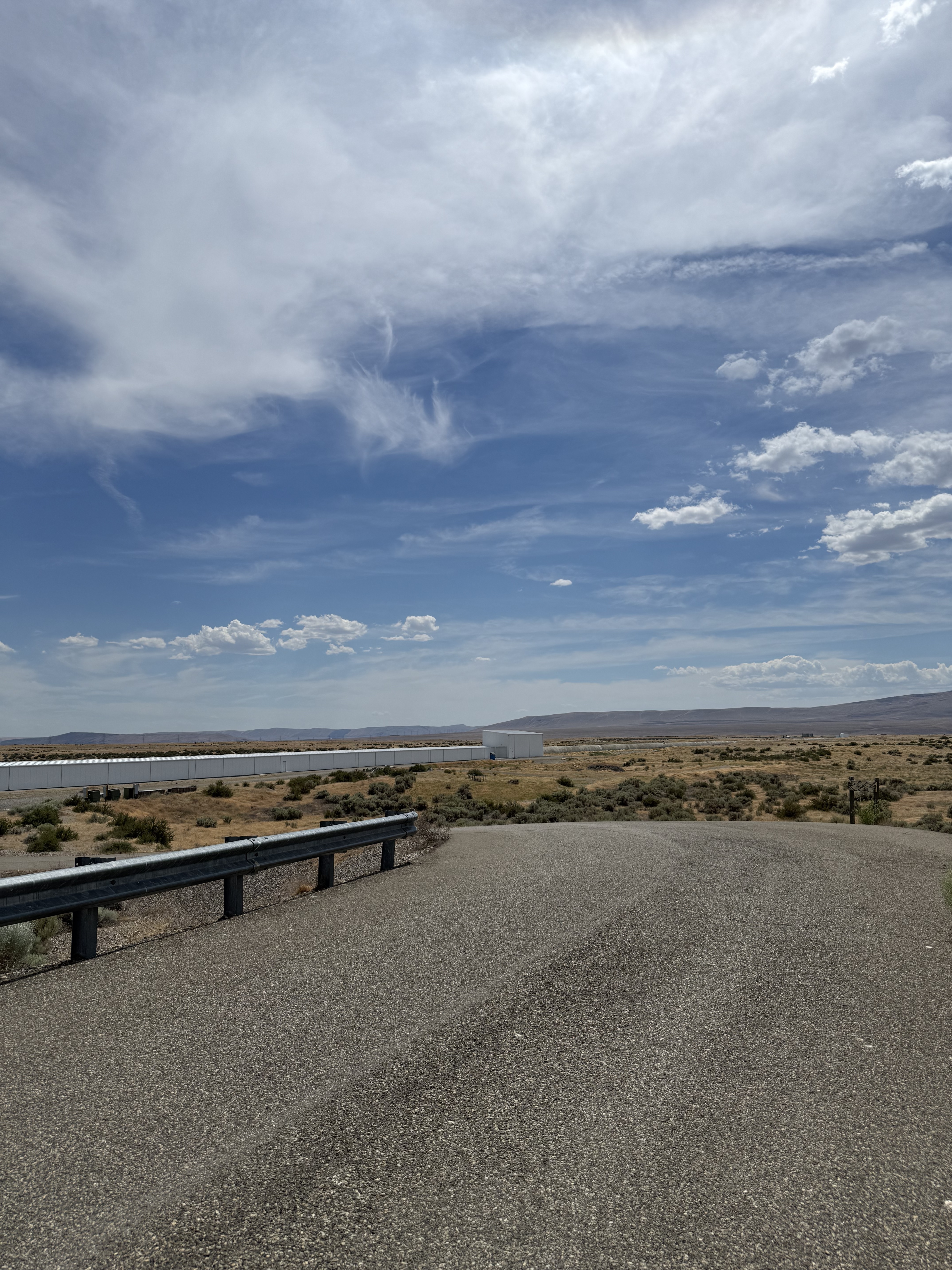
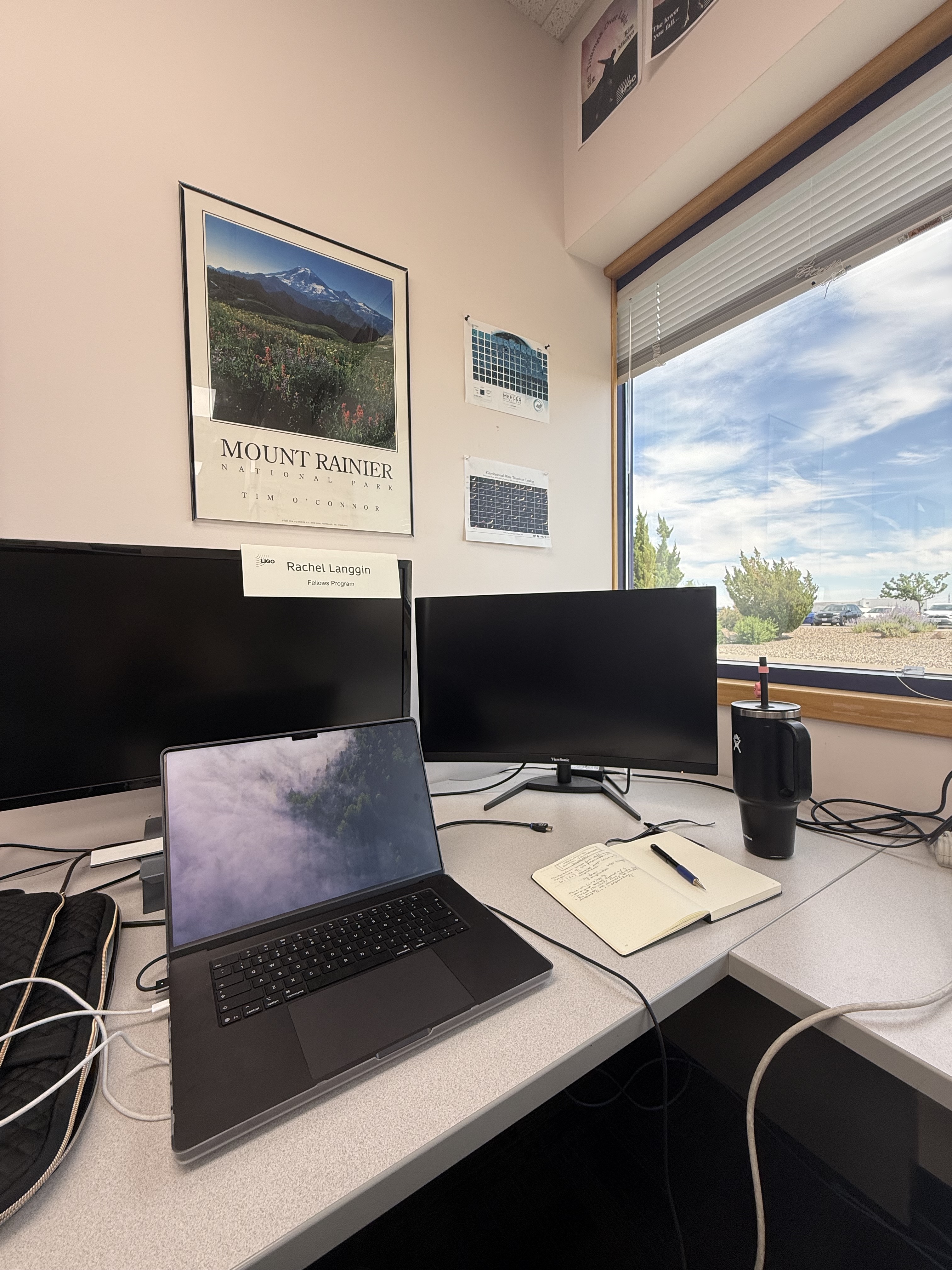
I was especially eager to see the observatory’s two 4 km-long perpendicular arms. Their extraordinary length allows LIGO to measure changes in distance as small as roughly one ten-thousandth the width of a proton, just precise enough to observe the changes in spacetime caused by a compact binary merger out in the Universe. Standing beside the interferometer that made the first direct detection of Gravitational Waves—and continues to observe the binary black hole and binary neutron star signals I work with—is hard to put into words.
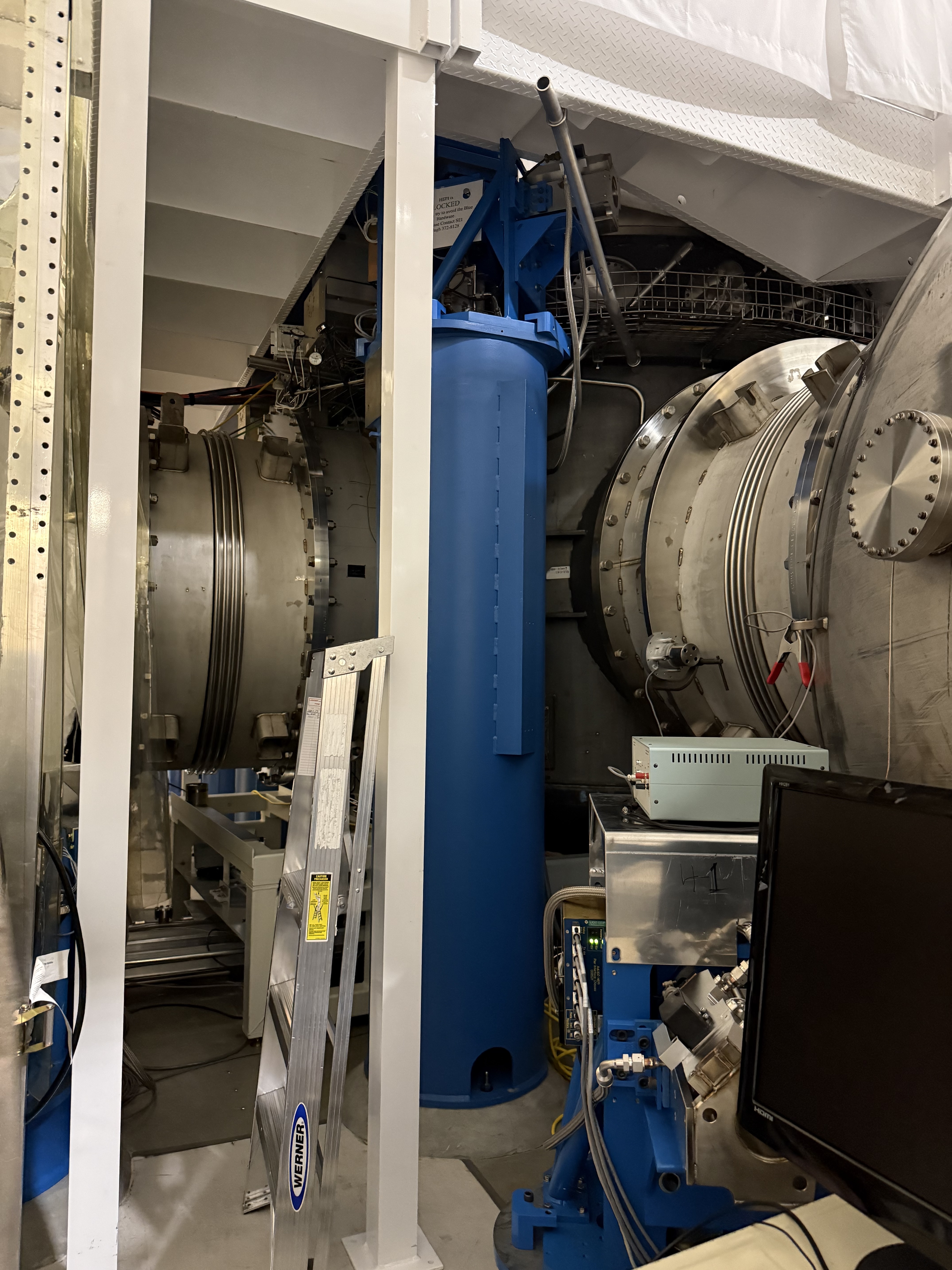
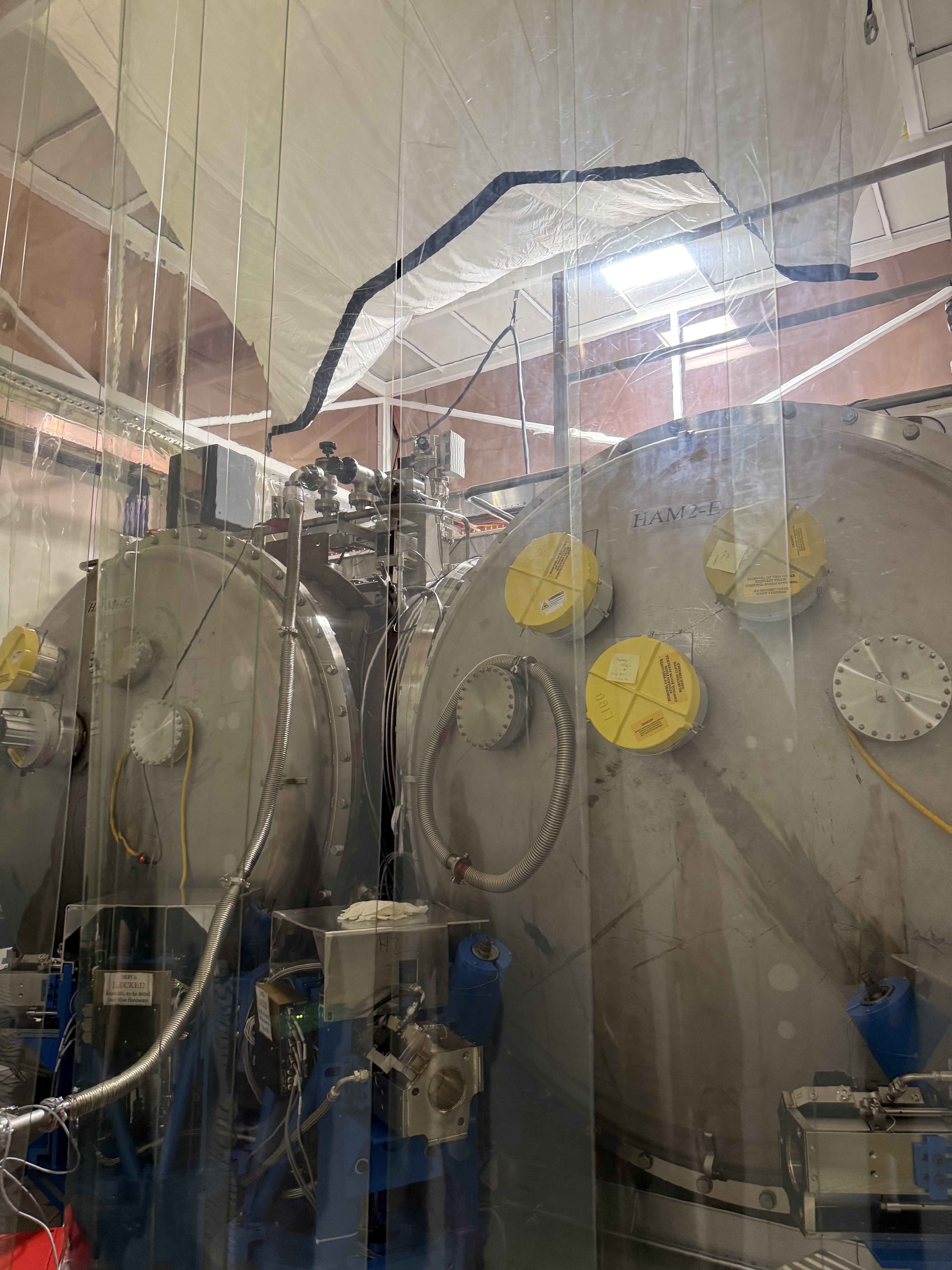
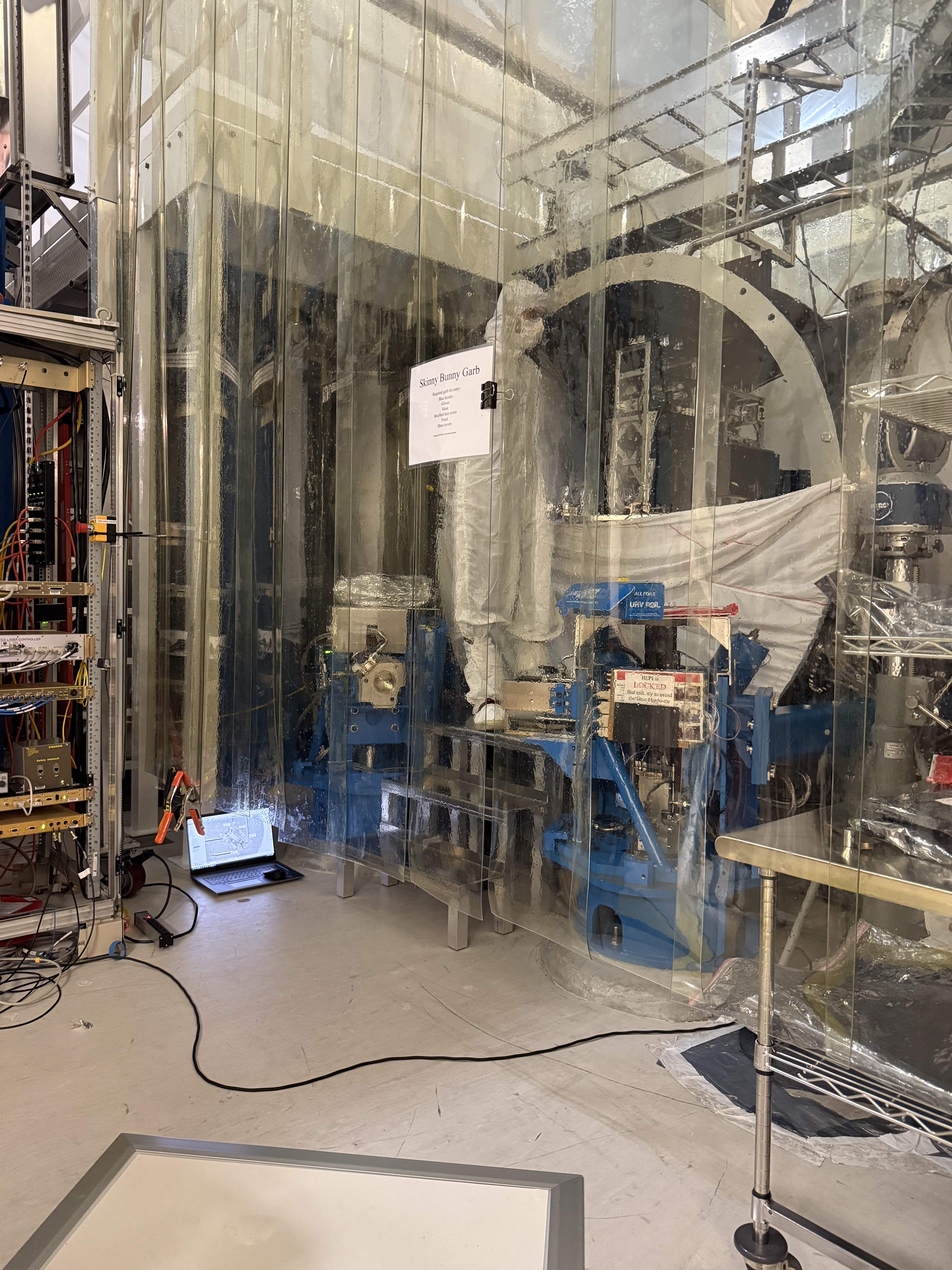
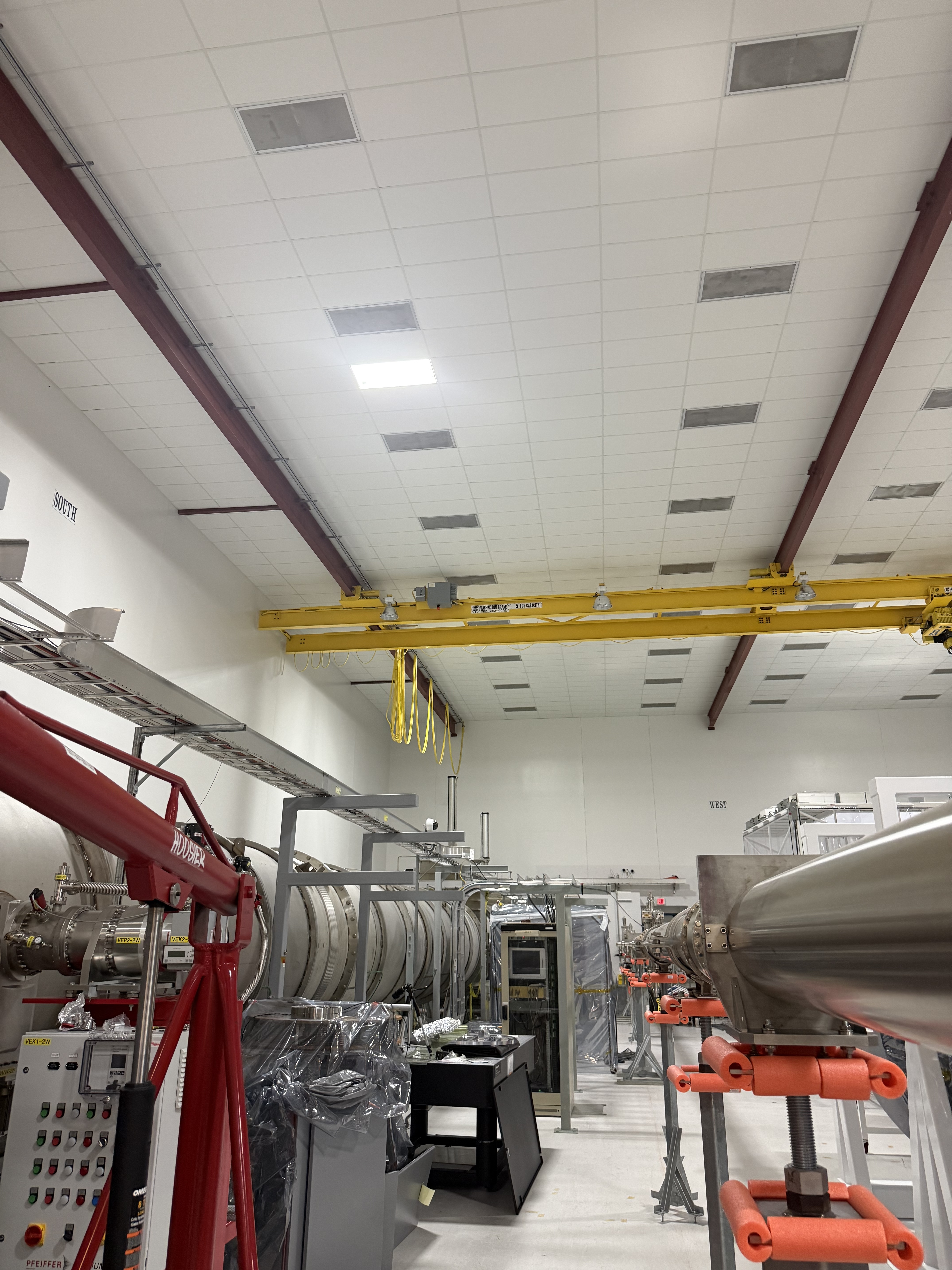
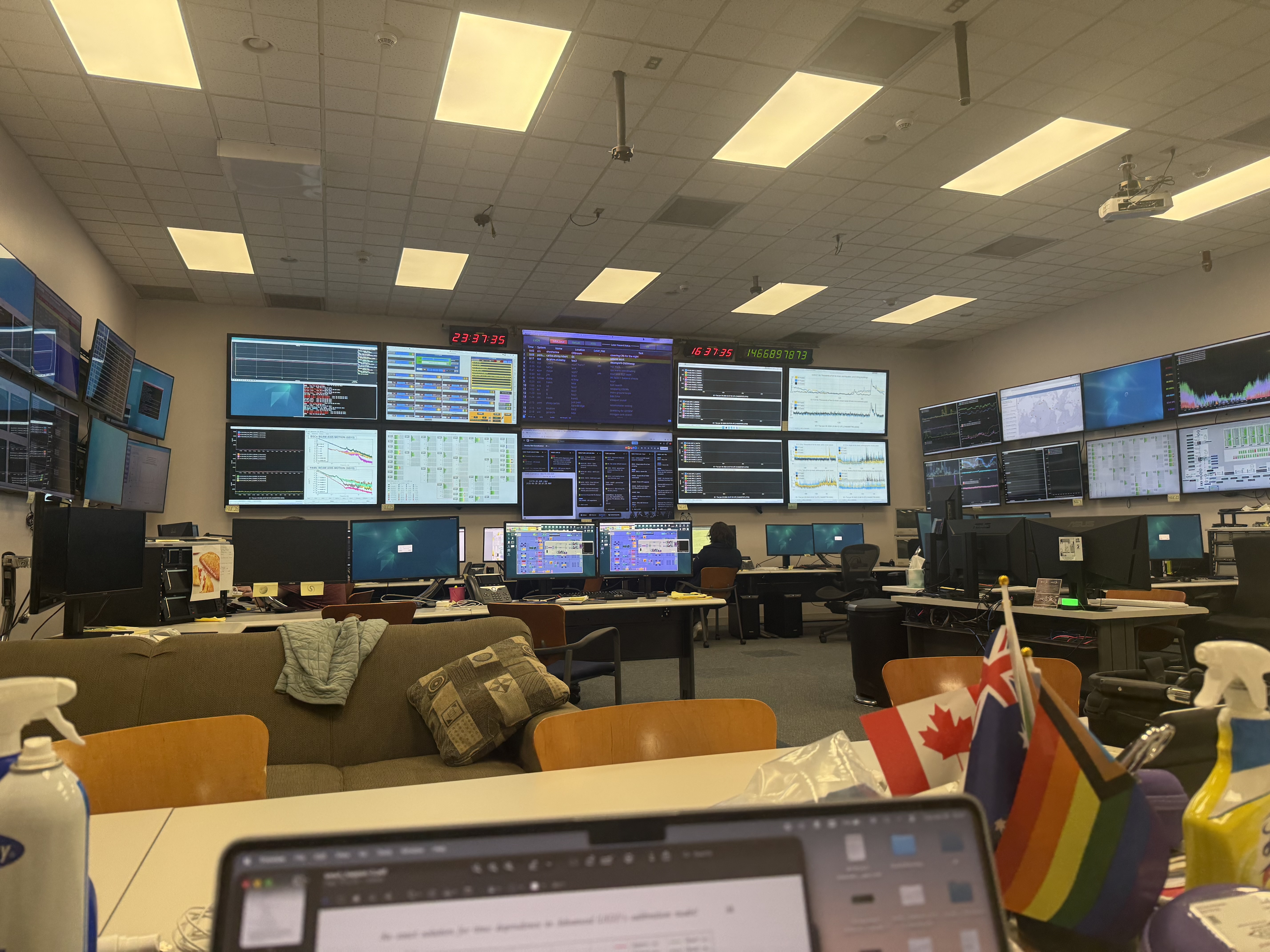
I’m glad I was able to tag along on the DetChar tour to see colleagues completing work on the detector before we close the doors in the next week and begin to pump-down to a vacuum state to start a commisioning phase prior to observing. The corner station of the LIGO Hanford detector contains the Laser and Vacuum Equipment Area (LVEA) which houses the pre-stabilized laser, beam splitter, input test masses, and other equipment within 2300 sq. meters or 25,000 sq. feet!
Evenings with the Fellows
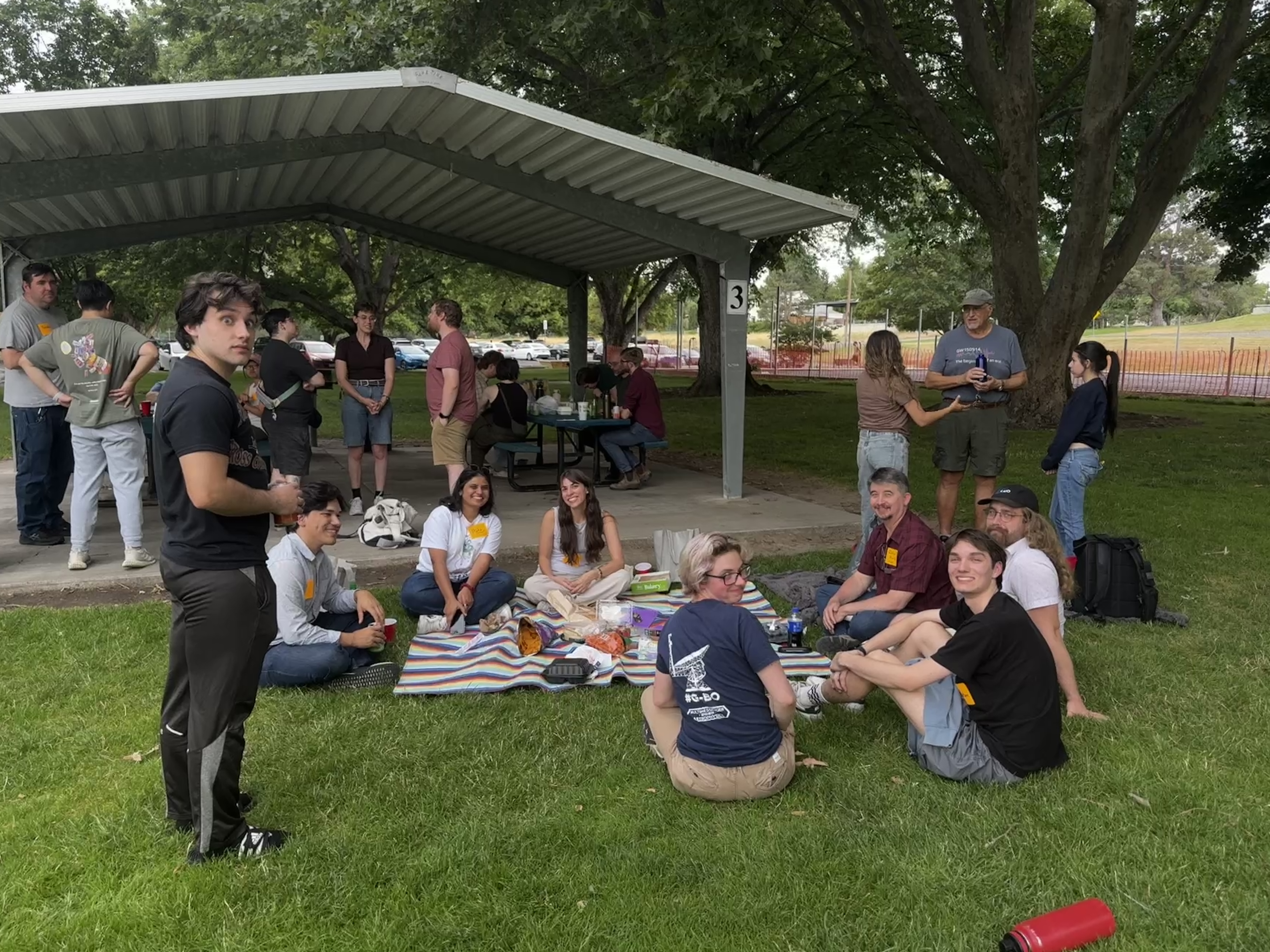
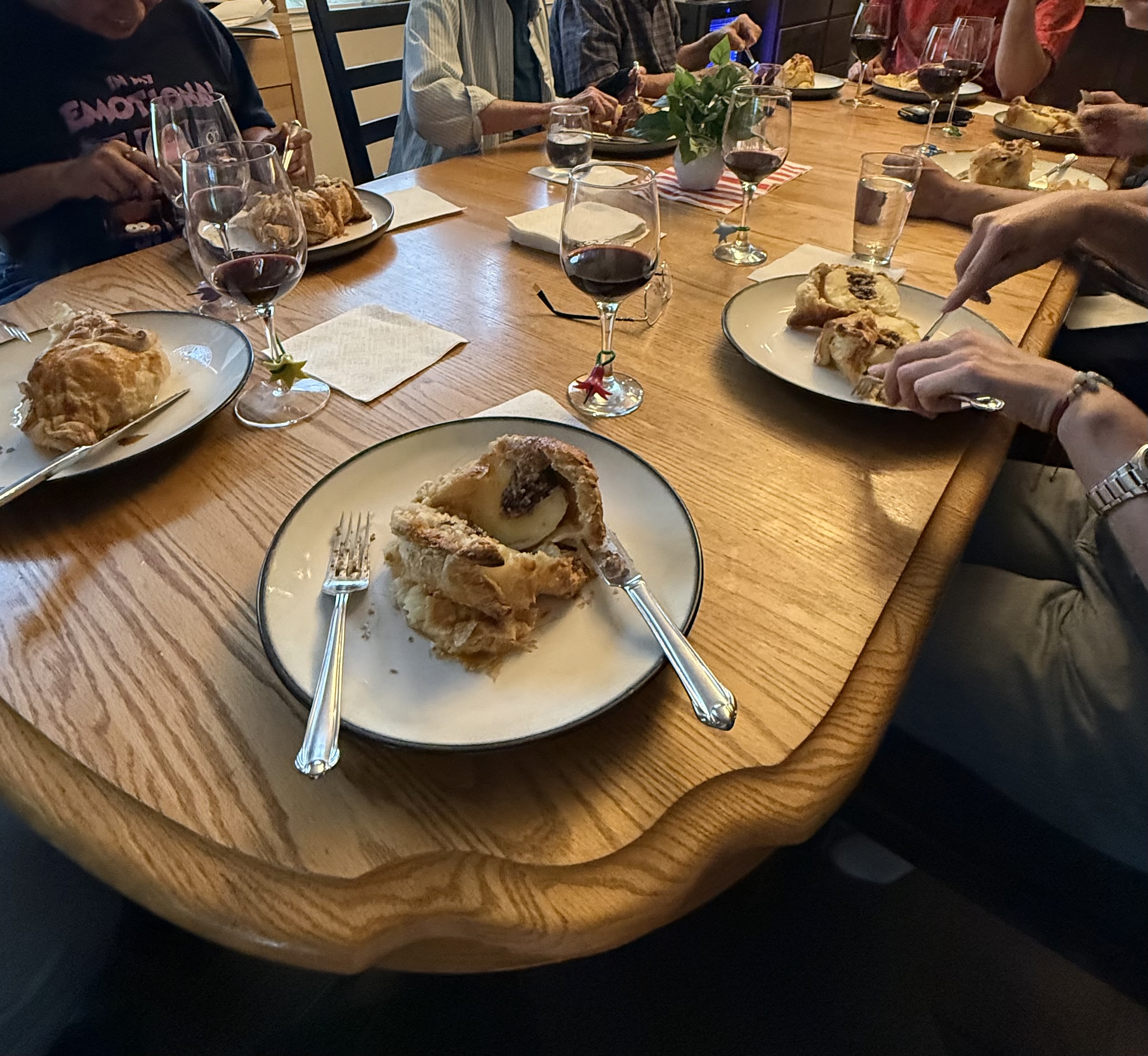
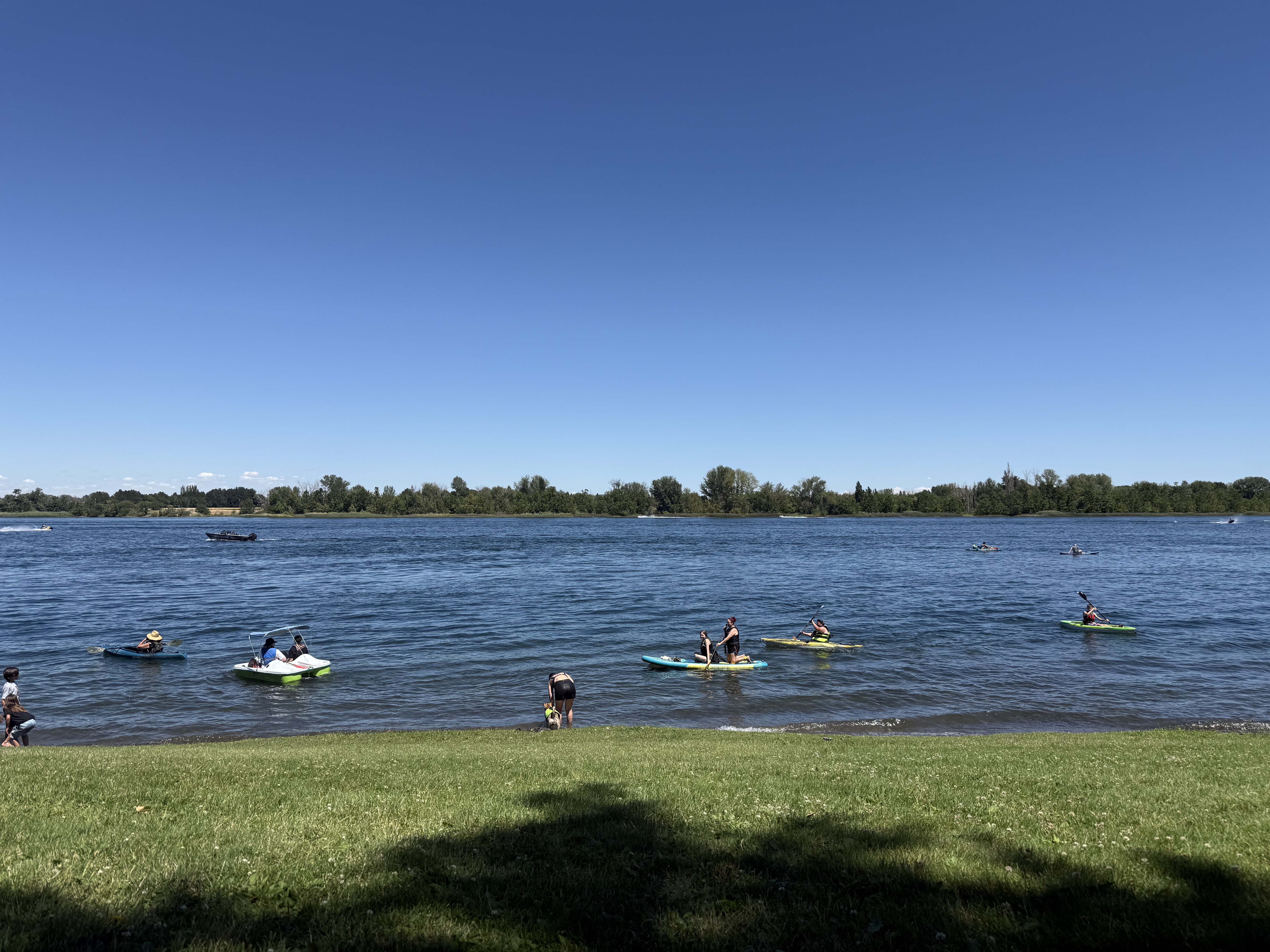
The LHO community stays busy outside of work! Social events have been frequent since my arrival, and I’ve enjoyed the chance to meet the many people who make the observatory such a welcoming place. There are weekly Thursday dinners at one of the senior scientists’ homes that have been an ongoing tradition for more than two decades. I’ve also enjoyed hanging out with the other fellows, educators, and observatory controllers who have made each day a fun adventure.
Fourth of July
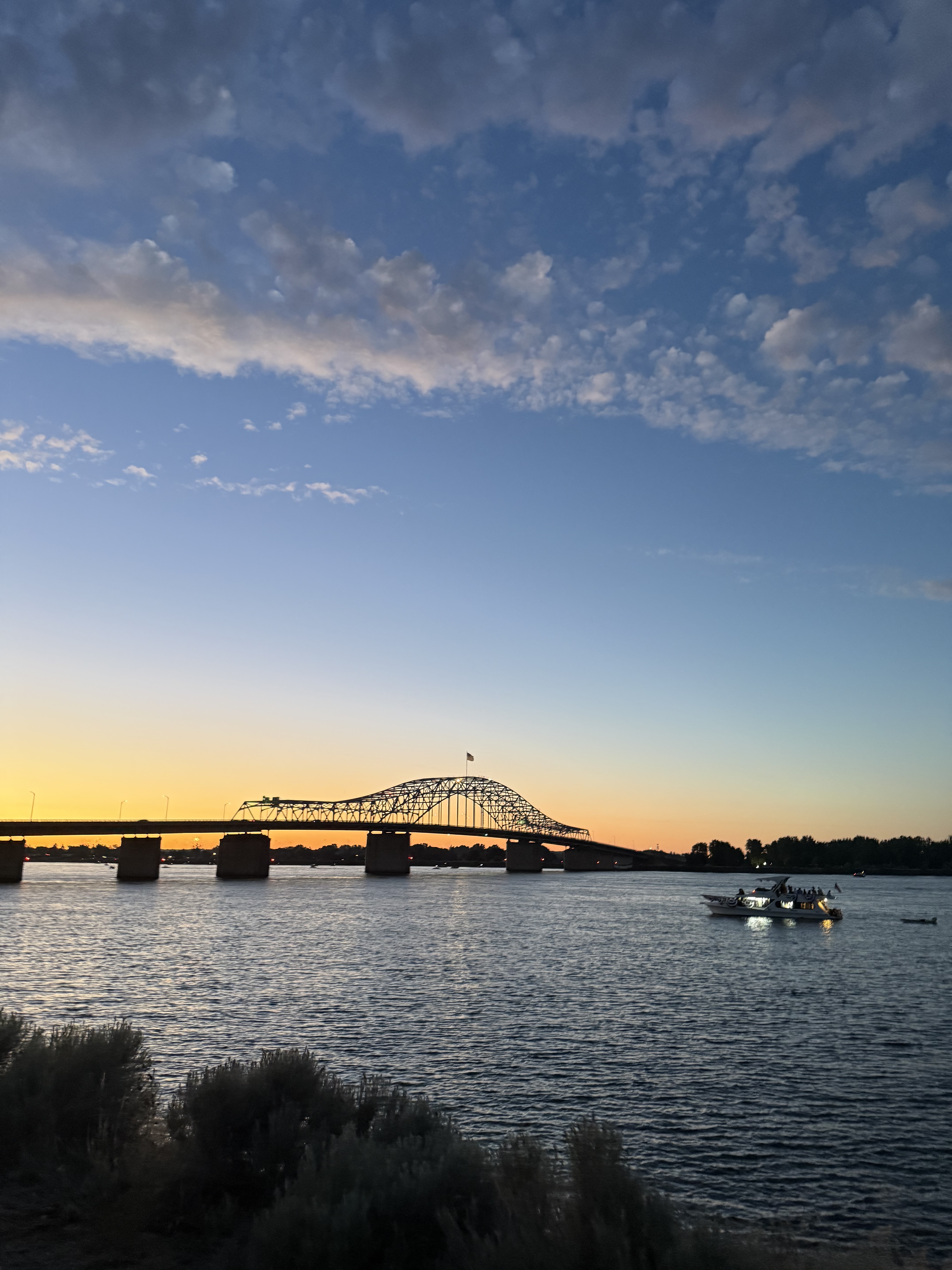
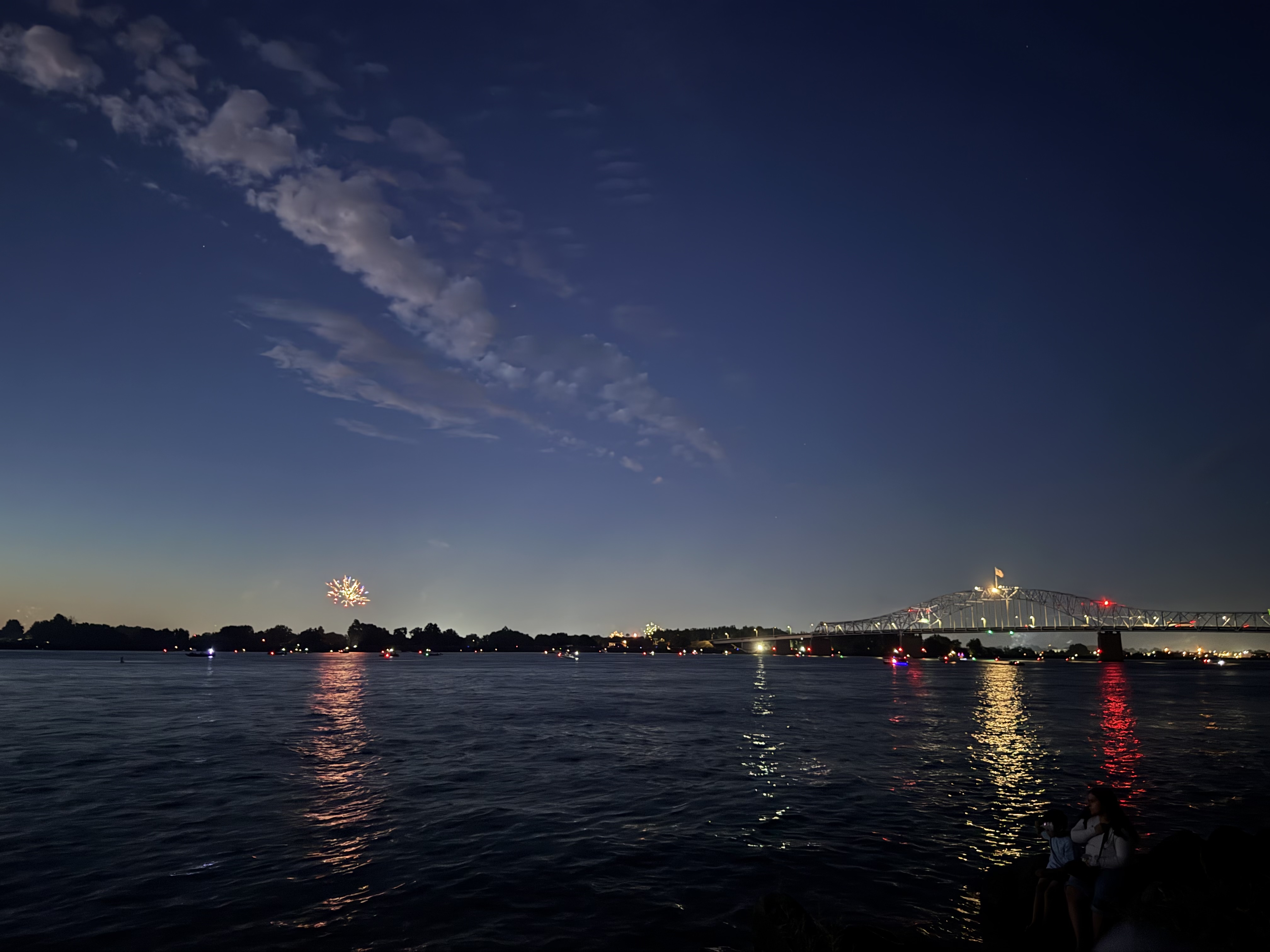
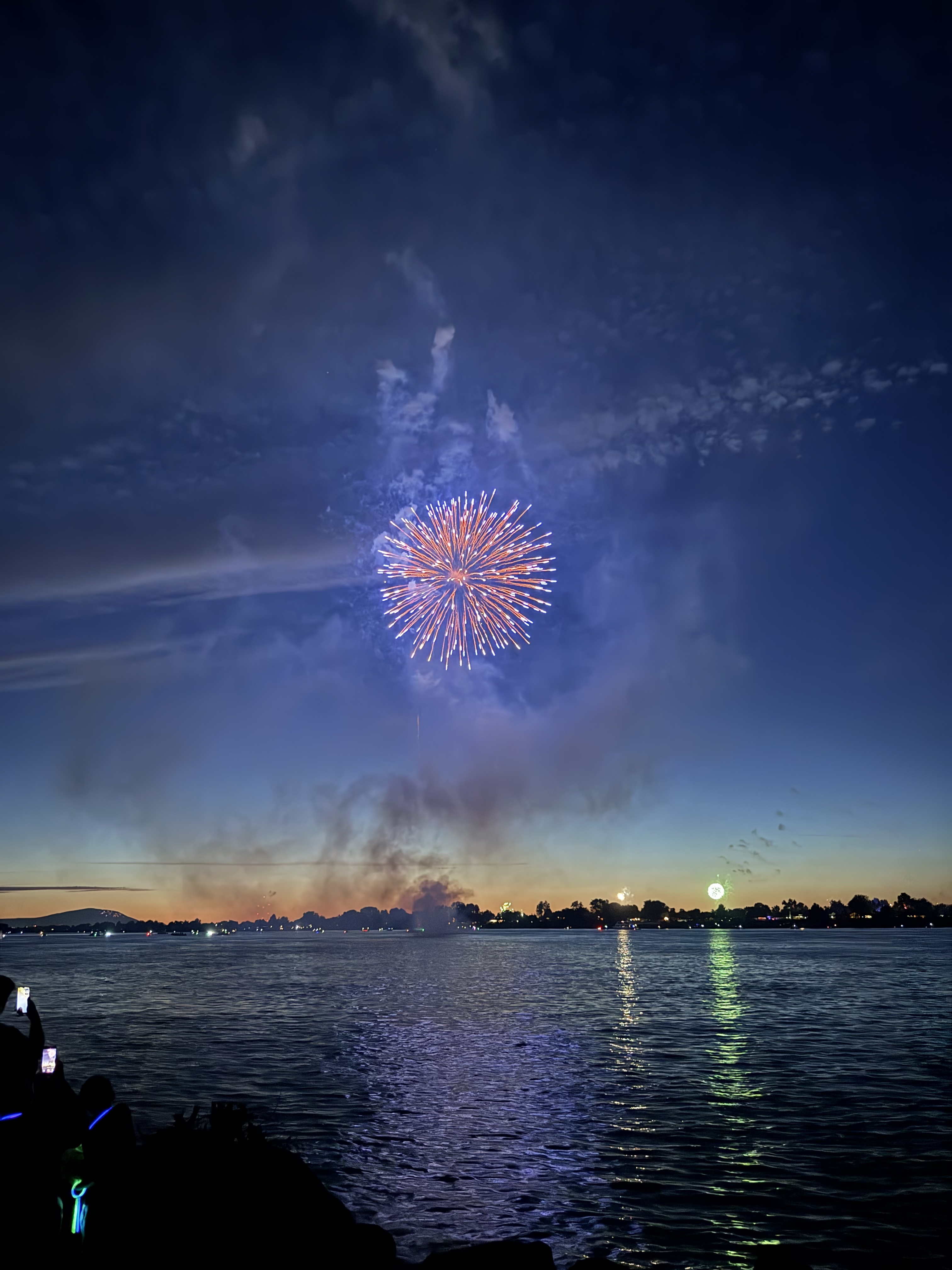
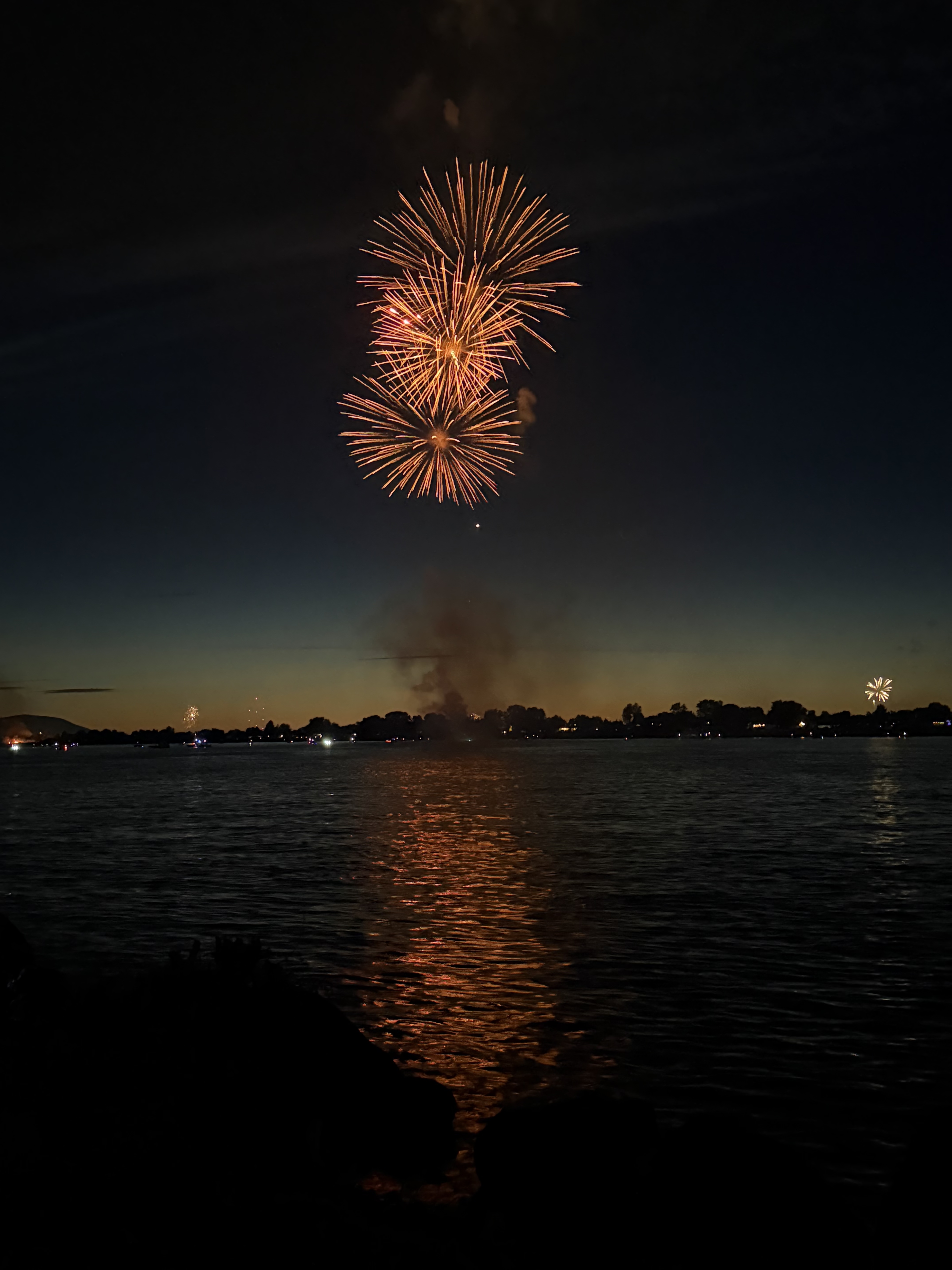
We wrapped up the holiday weekend with hot dogs, a showing of National Treasure, and fireworks along the Columbia River. I’m looking forward to sharing more about my research project and my time here. Thanks for reading and stay tuned!
Want to learn more?
Check out some more posts you might like to read next:
Subscribe to be notified of future articles: