tutorials
Learn Python for Physics and Astronomy through hands-on coding tutorials.
Getting Started with Python for Physics & Astronomy
Whether you’re a student or curious learner, this set of tutorials is designed to help you build programming skills for real scientific applications. These notebooks include examples drawn from introductory astronomy and physics college courses.
Follow the Beginning Python Tutorials below to start coding right away.
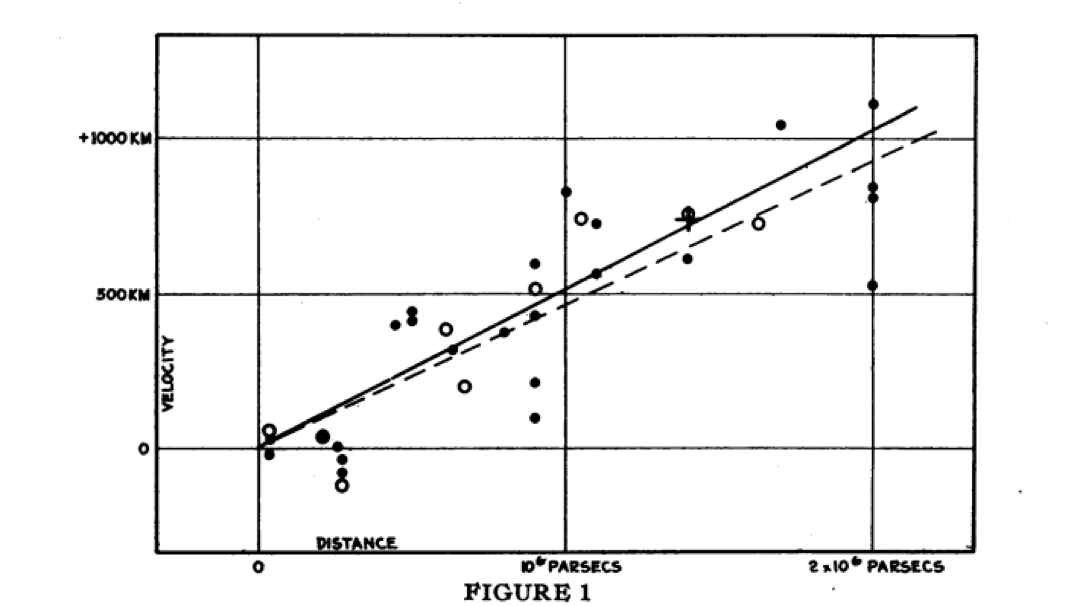
Gravitational-Wave Explorer — A Beginner’s Guide
The GW Explorer: A Beginner’s Guide project was developed in collaboration with a local Las Vegas high school student to make Gravitational-Wave astrophysics accessible to high school students. Our aim is to help students:
- Understand the physics behind compact object mergers
- Simulate Gravitational-Wave signals with Python
- Explore Parameter Estimation using real data from LIGO, Virgo, and KAGRA
Eventually, we hope these notebooks will also be hosted on the Gravitational-Wave Open Science Center (GWOSC) to link high school classroom learning with real scientific data.
GW Explorer Repository
GW Explorer: A Beginner’s Guide
Interactive Python notebooks for exploring Gravitational-Wave astrophysics, including waveform simulations, binary merger physics, and beginner-friendly parameter estimation exercises.
Available Notebooks
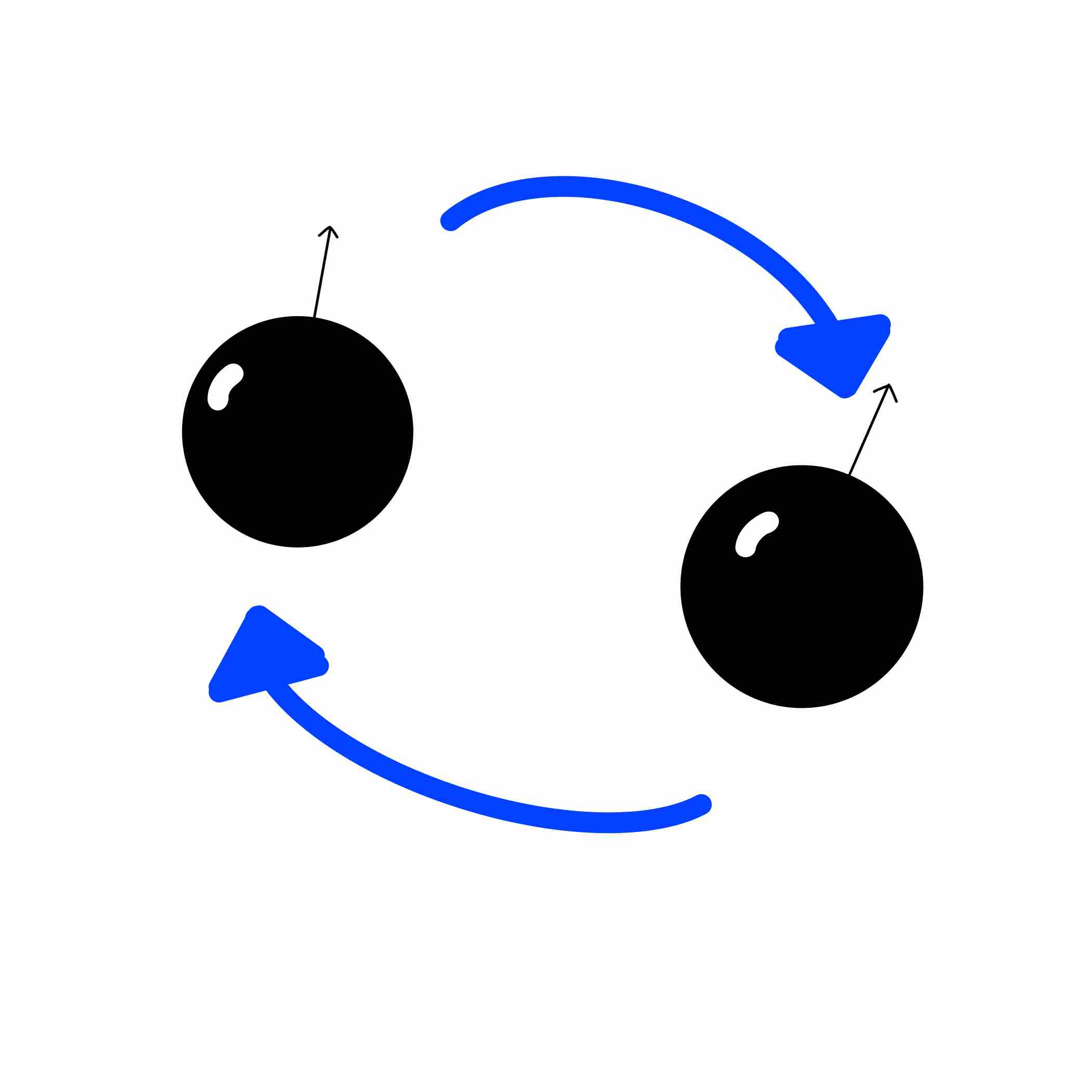
Notebook 1: Introduction to Gravitational Waves
Learn the basics of gravity, spacetime, and simulate a binary black hole merger.
Open in Colab →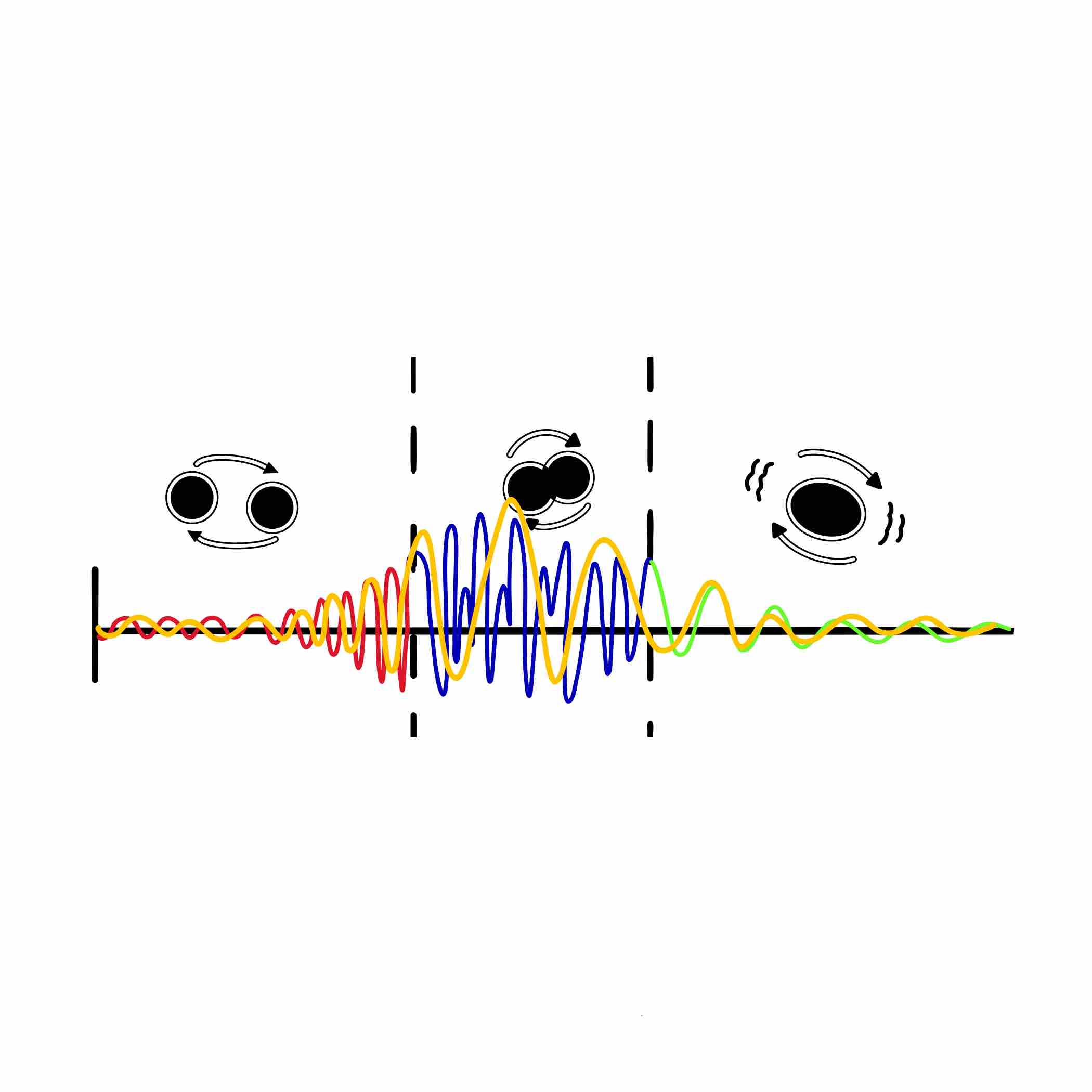
Notebook 2: Simulating a Binary Merger
Simulate a merger of a binary neutron star and visualize the waveform.
Open in Colab →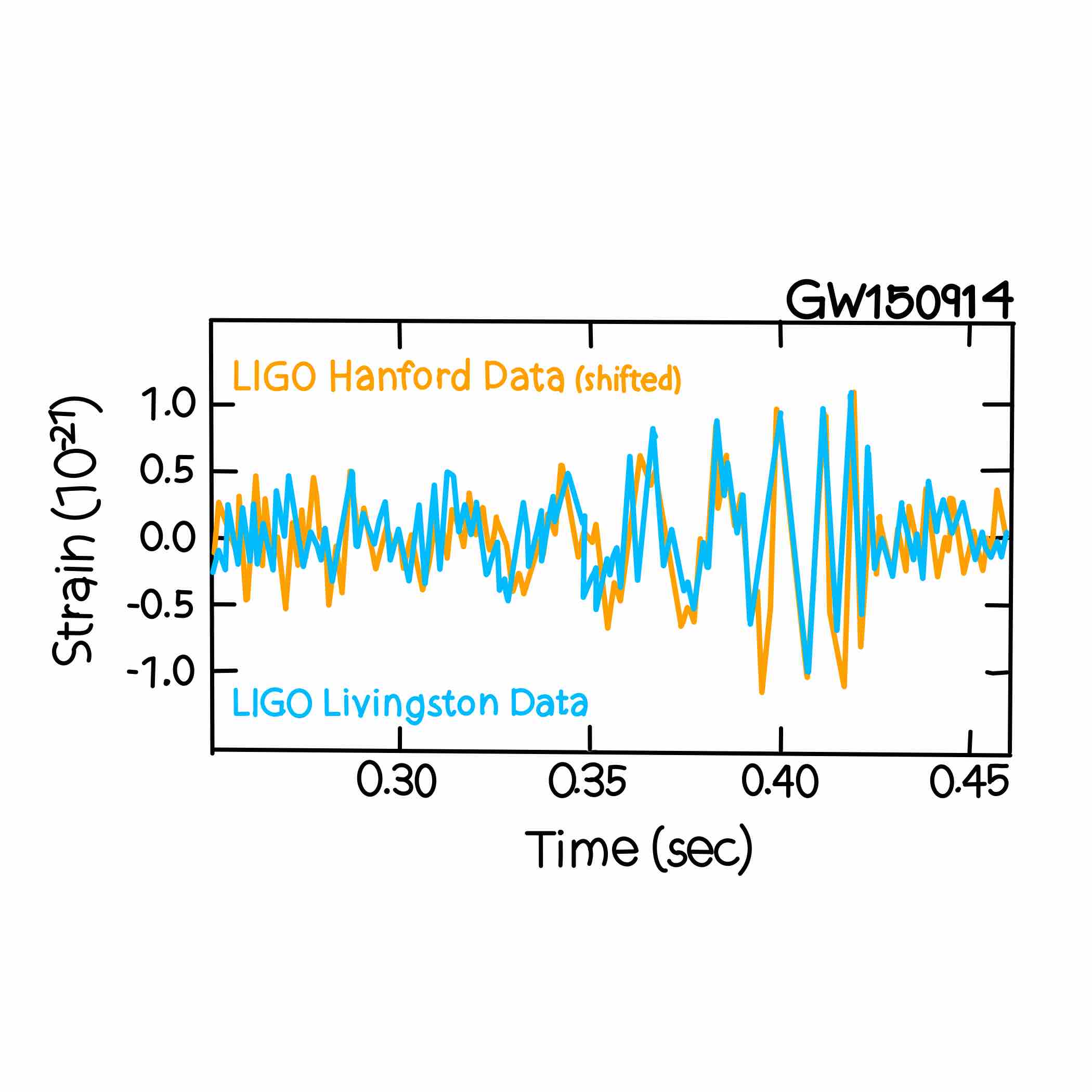
Notebook 3: Parameter Estimation Basics
Explore how we infer astrophysical properties from Gravitational-Wave signals.
Open in Colab →We hope these tutorials inspire students to explore Gravitational-Wave astrophysics and provide a bridge between high school STEM learning and undergraduate Gravitational-Wave research.